Leave Your Message

What Is the Best Automatic Box Sealing Machine from China?

Choosing the best Automatic Box Sealing Machine from China requires more than comparing prices or polished product photos. A reliable decision begins with your cartons, tape, production speed, and working environment. Measure carton width, height, weight, and sealing frequency. A machine that handles 25 boxes per minute may struggle with dusty corrugated surfaces or uneven carton flaps.

Packaging expert Mike Ferrari describes packaging as “the silent salesman.” His observation also applies to case sealing. A clean, centered seal communicates control before customers open the box. In practical testing, operators should inspect tape tension, flap alignment, belt pressure, and emergency-stop access. Small details matter. Very much.

Chinese manufacturers offer semi-automatic, fully automatic, side-belt, and top-and-bottom sealing models. Some machines use adjustable columns for different carton sizes. Others include powered rollers, stainless-steel frames, or PLC controls for continuous production. However, the most expensive configuration is not automatically the best choice. It may add features your line never uses.

A trustworthy supplier should provide machine videos, technical drawings, electrical specifications, spare-parts information, and clear warranty terms. Ask for a sample test using your actual cartons and tape. Request measurable results, not vague promises. Check sealing consistency after extended operation, not only during a five-minute demonstration.

This guide compares key machine types, operating costs, maintenance demands, and supplier reliability. It also examines common weaknesses, including noisy conveyors, difficult adjustments, and poor after-sales support. No machine is perfect. The best Automatic Box Sealing Machine is the one that fits your real workflow, remains safe to operate, and delivers dependable seals without creating new problems.

What Is the Best Automatic Box Sealing Machine from China?

What Is an Automatic Box Sealing Machine?

What Is the Best Automatic Box Sealing Machine from China?

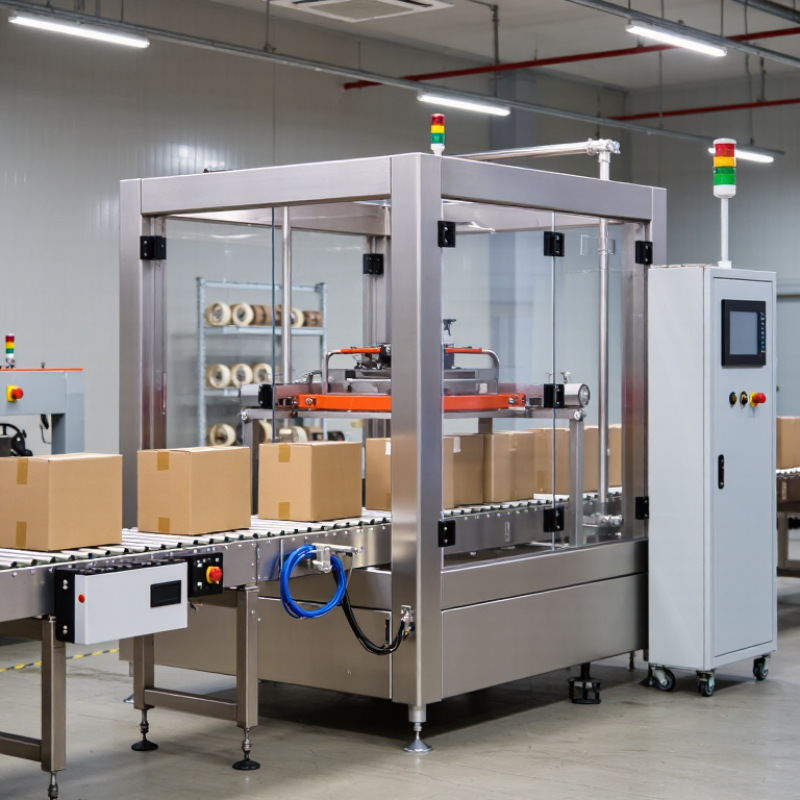
An automatic box sealing machine closes filled cartons with consistent tape placement. It usually folds the top flaps, applies adhesive tape, and presses the seal firmly. Some models adjust their side rails automatically. Others require manual width and height settings.

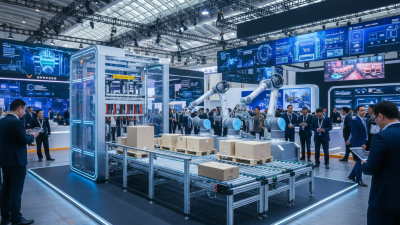
This equipment suits distribution centers, food packaging lines, and general manufacturing. A reliable machine should match carton dimensions, conveyor speed, tape width, and daily workload. The International Federation of Robotics reported 541,302 industrial robots were installed worldwide in 2023. This figure reflects the wider shift toward automated production, including end-of-line packaging. However, automation is not always better. A machine that runs too quickly may damage weak cartons or create uneven seals.

When evaluating equipment from China, request test videos using your actual boxes. Check sealing performance after vibration, cold storage, and repeated starts. Ask for electrical diagrams, spare-parts lists, safety documentation, and remote troubleshooting support. These details reveal practical engineering quality.

Tips:

Measure the smallest and largest cartons first. Confirm whether the machine handles recycled corrugated board. Test the tape cutter and pressure rollers daily during commissioning. PMMI industry research consistently identifies labor availability as a major reason for packaging automation. Still, operator training remains essential. I have seen efficient machines lose productivity because guides were adjusted by guesswork. A clear setup chart can prevent that small, expensive mistake.

How Does an Automatic Box Sealing Machine Work?

An automatic box sealing machine prepares cartons with a steady, repeatable sequence. A conveyor carries each open box into the infeed area. Sensors detect its height, width, and position. The machine then folds the side flaps inward before closing the top flaps. The process is simple, but timing matters.

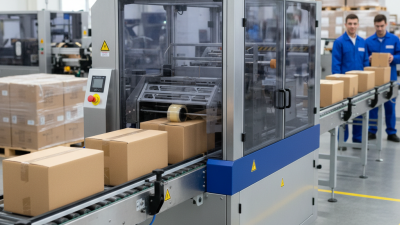
After alignment, two powered side belts grip the carton and move it forward. A tape head applies adhesive tape along the center seam. Pressure rollers press the tape firmly against the cardboard surface. Some models use hot-melt adhesive instead of tape, depending on the packaging line. Adjustable guides support different carton sizes, while emergency stops protect operators during unexpected movement.

In my experience, clean sensors and correctly adjusted belts prevent many sealing failures. Dust, crushed corners, or uneven carton sizes can interrupt feeding. Small details matter. An experienced technician checks tape tension, roller pressure, and flap alignment during setup. A test run with real cartons is more reliable than judging the machine by appearance alone. The best automatic box sealing machine from China should offer stable construction, clear controls, suitable safety features, and accessible technical support. However, specifications can look better than daily performance. That deserves careful inspection. Buyers should request sample sealing, review maintenance instructions, and confirm compatibility with their carton material and production speed.

Which Features Define the Best Chinese Box Sealing Machine?

What Is the Best Automatic Box Sealing Machine from China?

Which Features Define the Best Chinese Box Sealing Machine?

The best Chinese box sealing machine starts with stable performance, not impressive speed alone. In busy warehouses, adjustable side belts keep cartons centered during continuous operation. Independent height and width controls handle different box sizes without lengthy changeovers. A practical machine should seal uneven cartons with consistent top and bottom pressure. It should also support common adhesive tape widths and simple roll replacement.

Control quality matters greatly. A clear control panel lets operators adjust speed, sealing pressure, and conveyor height quickly. Photoelectric sensors should detect cartons accurately, even when brown boxes pass under uneven lighting. Safety guards, emergency stops, and overload protection reduce avoidable risks. Stainless steel contact areas also make cleaning easier in dusty packaging environments. Small details matter.

Reliable construction needs evidence. Ask for load testing, sample sealing videos, electrical diagrams, and spare-parts lists before purchase. A supplier with clear manuals and responsive technical support is easier to trust. Check whether motors, belts, bearings, and cutters are accessible for maintenance. In practice, a slightly slower machine may deliver fewer jams and lower operating costs. No machine is perfect. Some models still need manual adjustments when carton quality changes, and that limitation deserves honest attention. Trial sealing with your actual boxes remains more useful than attractive specifications.

How to Compare Chinese Box Sealing Machine Manufacturers?

Choosing the best automatic box sealing machine from China starts with comparing manufacturers, not browsing machine photos. PMMI’s 2023 State of the Industry report valued U.S. packaging machinery shipments at about $10.2 billion in 2022. That scale reflects strong demand, but it does not prove every supplier offers equal engineering quality.

Request the same technical sheet from each manufacturer. Compare carton size range, sealing speed, tape width, motor power, noise level, and changeover time. Ask for a live factory acceptance test using your cartons. Watch the machine handle uneven boxes, weak corrugated board, and repeated starts. A smooth demonstration is useful. It is not enough.

Check whether the manufacturer controls key processes internally. Review ISO 9001 certification, inspection records, wiring standards, and component traceability. Ask for failure rates from recent installations, spare-parts lead times, and remote support response times. Supplier references should include factories with similar carton sizes and production hours. In my view, quoted speed deserves less attention than stable performance at eighty percent of that speed. Buyers often overlook this point.

Compare warranty terms carefully. Confirm what labor, sensors, motors, and travel costs include. A lower initial price may hide expensive downtime. Even experienced purchasers can compare prices too early. The better evaluation combines test results, maintenance evidence, operator feedback, and total cost over five years. Some details remain uncertain until installation, so keep contingency in the budget.

How to Choose the Right Automatic Box Sealing Machine?

What Is the Best Automatic Box Sealing Machine from China?

How to Choose the Right Automatic Box Sealing Machine?

Choosing an automatic box sealing machine starts with your cartons, not the machine catalog. Measure the smallest and largest boxes, including height, width, and flap overlap. A unit that handles only one carton size may slow production later. Check your packaging line speed, too. Ten boxes per minute is very different from forty.

In practical trials, carton quality often causes more trouble than machine settings. Test recycled, corrugated, and slightly uneven boxes before purchasing. Ask the supplier to run your actual cartons with your preferred tape. Watch the sealing line closely. It should stay centered, tight, and free from loose edges. Adjustable guides, stable conveyors, and accessible controls make daily operation easier. Safety guards and emergency stops must be clearly designed and maintained.

Supplier reliability deserves equal attention. Request technical drawings, electrical specifications, operating videos, and a written spare-parts list. A serious manufacturer should explain motor power, tape width, changeover time, and maintenance intervals without vague promises. Factory inspection or a live video test adds useful evidence. Check whether manuals are understandable for your operators. No machine is perfect. I once underestimated carton dust, and the sensors needed frequent cleaning. That small detail changed the maintenance plan. Leave room for future carton sizes, but avoid paying for features your line will never use.