Choosing the best Automatic Labeller in 2026 requires more than comparing speed figures. A machine may promise 120 labels per minute, yet struggle with dusty bottles, uneven surfaces, or changing product sizes. Real performance appears on the production floor, where labels must remain straight, secure, and readable throughout long shifts.
This guide examines practical buying factors, including application accuracy, conveyor integration, sensor reliability, setup time, and maintenance access. It also considers label materials, container shapes, operator training, energy use, and total ownership costs. A compact tabletop unit may suit a growing workshop, while a servo-driven system could better support high-volume packaging. The right choice depends on the product, not the brochure.
Details matter.
Reliable Automatic Labeller manufacturers should provide clear specifications, documented testing, responsive technical support, and realistic installation requirements. Independent certifications and traceable quality procedures can strengthen confidence, but they do not replace hands-on evaluation. A machine that performs well during a demonstration may need adjustment in humid rooms or under continuous operation. That limitation deserves attention.
This comparison aims to balance manufacturer claims with practical evidence and professional judgment. It will highlight leading options, explain their trade-offs, and identify where each model may disappoint. No single machine fits every facility. Careful testing remains essential before purchase.
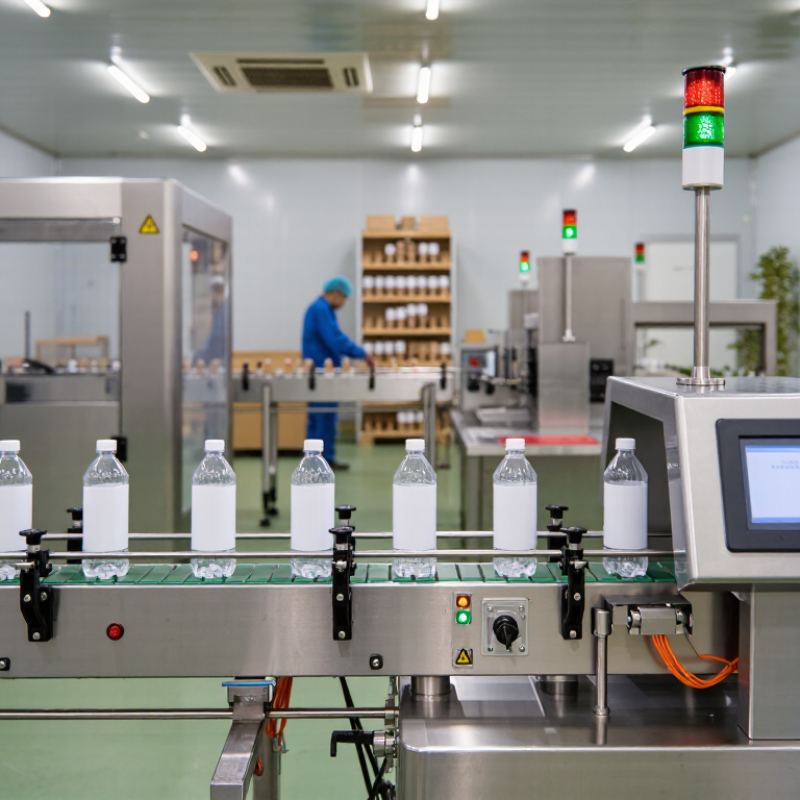
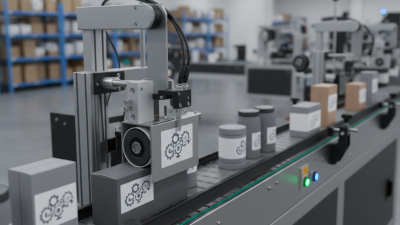
An automatic labeller applies pressure-sensitive, wrap-around, or self-adhesive labels to containers with limited operator input. It usually combines a conveyor, product sensor, label reel, drive roller, dispensing plate, and control system. The sensor detects each bottle or carton. The controller then releases one label at the correct speed and position. A second sensor may verify placement and reject a failed item.
The process looks simple, but timing is critical. A 2-millimeter shift can affect barcode scanning or visual quality. Operators normally adjust conveyor speed, label pitch, product spacing, and peel-plate pressure. For round containers, the machine may rotate the product during application. For flat cartons, a tamp pad or wipe-down belt presses the label firmly. Short setup times matter when production changes frequently.
Industry data supports this shift toward automation. PMMI’s 2024 packaging reports identify labor availability, flexibility, and automation as major equipment priorities. Market research from Grand View Research also forecasts continued growth in automatic labeling equipment through the decade. These figures suggest strong demand, but they do not identify one universal best machine. That assumption is not always right. A reliable choice depends on container shape, label material, line speed, cleaning conditions, and inspection needs. In practical trials, test labels on real containers, including dusty or slightly wet surfaces. Small details often expose larger problems.
| Labeller Type | How It Works | Typical Applications | Typical Speed Range | Typical Placement Accuracy | Main Advantages | Key Limitations |
|---|---|---|---|---|---|---|
| Pressure-Sensitive Labeller | A sensor detects each container while a motor-driven applicator peels a self-adhesive label from its backing liner and applies it to the product. | Bottles, jars, cartons, pouches, cans, and other rigid or semi-rigid containers. | Approximately 20–300 products per minute, depending on container shape, label size, and machine configuration. | Often within approximately ±1–2 mm under stable production conditions. | Versatile, relatively clean, suitable for short and medium production runs, and compatible with many label materials. | Requires suitable adhesive selection and accurate product spacing; performance can be affected by dust, moisture, temperature, and irregular surfaces. |
| Wrap-Around Labeller | A feed screw, belt, or star wheel positions the container while a label is wrapped around its circumference using rollers or a wrap belt. | Round bottles, jars, vials, cans, and cylindrical containers. | Approximately 30–500 containers per minute, depending on container diameter and required wrap coverage. | Commonly within approximately ±1–2 mm for consistent cylindrical products. | Produces consistent full or partial circumference labels and works well on high-volume round-container lines. | Not ideal for square, unstable, tapered, or highly irregular containers without specialized handling equipment. |
| Front-and-Back Labeller | Two synchronized applicators place separate labels on the front and rear panels while guides or a conveyor stabilize the product. | Flat-sided bottles, rectangular containers, cartons, and household or personal-care packaging. | Approximately 30–250 products per minute. | Often within approximately ±1–2 mm when product orientation and spacing are controlled. | Applies two labels in one operation and provides a professional appearance for products requiring front and information panels. | Needs consistent container orientation; unstable or heavily tapered products may require custom guides or stabilizing belts. |
| Top-and-Bottom Labeller | Top and bottom applicators place labels while a conveyor, side belts, or a specialized transport system holds the product in position. | Cartons, trays, boxes, food containers, and flat packages. | Approximately 20–200 products per minute. | Typically within approximately ±1–3 mm, depending on package tolerances and conveyor control. | Efficiently labels two surfaces and can integrate with weighing, inspection, coding, or checkweighing equipment. | Requires stable, reasonably flat surfaces and accurate product presentation. |
| Print-and-Apply Labeller | A printer creates variable information, such as a barcode, batch number, or shipping data, immediately before an applicator transfers the label to the product. | Shipping cartons, pallets, logistics labels, pharmaceutical packs, and traceability applications. | Approximately 10–120 labels per minute, depending on print content, label size, and application method. | Often within approximately ±2–5 mm, depending on package movement and applicator type. | Supports real-time data, serialization, variable barcodes, inventory control, and regulatory traceability. | More complex than a standard applicator and requires printer maintenance, data integration, and verification controls. |
| Rotary Labelling System | Containers are transferred through rotating stations that control spacing, orientation, and label application at high speed. | High-volume beverage, food, pharmaceutical, and personal-care production lines. | Approximately 100–1,000+ containers per minute, depending on the product and system design. | Can achieve approximately ±0.5–1.5 mm with compatible containers and controlled operating conditions. | Very high throughput, precise product handling, and consistent label positioning on dedicated production lines. | Higher capital cost, longer changeover, and lower flexibility for frequent product changes or small batches. |
Choosing the best automatic labeller in 2026 depends on the package, surface, speed, and label material. Fortune Business Insights estimates the automatic labelling machine market at about USD 2.5 billion in 2023, with continued growth through 2032. That growth reflects practical demand, not just automation hype.
Pressure-sensitive labellers suit cartons, jars, and flexible pouches with clean, flat areas. They offer sharp graphics and quick changeovers.
Wrap-around labellers work well for cylindrical bottles and cans, especially when labels must stay aligned during transport.
Top-and-bottom systems fit trays, boxes, and cosmetic containers. They can label two surfaces in one pass.
For irregular containers, front-and-back applicators may provide better positioning than a single wrap station.
High-speed beverage lines often favor roll-fed or cut-and-stack systems. These reduce label waste at large volumes, but setup can be less forgiving. Shrink-sleeve systems provide full-body coverage and strong shelf impact, yet they require heat control and careful film handling.
PMMI industry reporting consistently identifies labor shortages and productivity as major automation drivers in packaging operations. Still, speed is not everything.
A 2024 packaging machinery survey reported that changeover simplicity and equipment reliability strongly influence purchasing decisions. That detail is easy to overlook. In real facilities, a slower machine with stable application may outperform a faster unit that demands frequent adjustment. Reported market figures also vary by research scope, so buyers should test actual containers before committing.
What Is the Best Automatic Labeller in 2026?
How to Compare Speed, Accuracy, Compatibility, and Flexibility
Choosing an automatic labeller should begin with real production conditions, not a brochure’s fastest number. During a practical trial, record labels per minute, stop frequency, restart time, and rejected products. A machine running at 120 labels per minute may underperform if frequent adjustments interrupt the line. Watch the label edge under bright inspection lighting. Small wrinkles can reveal unstable feeding or uneven containers.
Accuracy includes placement, repeatability, and consistent application across a full shift. Test the smallest and largest containers you use. Measure label position at startup, after changeovers, and near the end of a roll. Useful tolerance depends on your packaging design and quality requirements. Do not trust one successful sample. It can mislead.
Compatibility deserves equal attention. Check container shapes, label materials, adhesive behavior, conveyor height, sensors, printers, and existing control systems. Flexible equipment should support quick, documented changeovers without relying on one experienced operator. Ask how settings are stored and recovered. Ask how faults are diagnosed. Simple access panels can save more time than advanced screens. My comparison would still include one weakness: short trials may hide maintenance demands. Run several formats across multiple shifts, then compare output, waste, training time, and operator confidence.
The best automatic labeller in 2026 should be judged by repeatable results, not impressive speed alone. In production trials, label placement within two millimetres can protect readability and reduce rework. Vision sensors should detect crooked containers, missing labels, and damaged print. Their alerts must be clear enough for an operator to act quickly. A touchscreen should show actual causes, not vague error codes. Clear data matters.
Strong equipment handles different container shapes, label sizes, and surface materials without lengthy adjustments. Tool-free changeovers can save valuable minutes between batches. Servo-driven applicators should maintain steady pressure at high speed. A useful system also records output, rejected units, downtime, and maintenance events. These records support audits and reveal recurring faults. Connectivity with line controls is important, but compatibility should be tested on site. Specifications can look perfect on paper.
Hygienic design deserves equal attention. Smooth surfaces, protected wiring, and accessible rollers make cleaning more practical. Safety guarding must stop movement before a hand reaches a dangerous point. Remote diagnostics can shorten service delays, although they should not replace trained technicians. Energy use, spare-part access, and operator training affect the real cost. No labeller is perfect. Adhesive dust, humidity, and uneven containers still cause problems. A careful trial with real products exposes these weaknesses before purchase.
The best automatic labeller fits your product, container, line speed, and working space. Start with the label material, roll dimensions, adhesive type, and surface shape. A flat carton needs different handling from a dusty glass jar. Measure the container carefully. A few millimetres can affect placement accuracy. Review the machine’s rated speed, but test it at your real production speed. Factory numbers may assume ideal labels and clean surfaces. They are not always practical.
Installation should begin with a stable frame and clear access around the machine. Keep the conveyor level, then align the label sensor with the product path. Set the dispensing edge slightly above the application point. Run empty containers first. After that, use filled containers with normal weight and texture. Check label position every 20 to 30 units. I once trusted a perfect dry-run setup, but product dust later caused inconsistent detection. That mistake was avoidable.
Maintenance is mostly disciplined observation. Clean the sensor, peel plate, rollers, and conveyor at scheduled intervals. Inspect belts for stretching and adhesive buildup. Record label waste, stoppages, and adjustment times. These details reveal problems earlier than a sudden failure. Train operators to change rolls without forcing the spindle or moving calibrated guides. Leave a written setup sheet beside the machine. It may seem excessive. It helps during busy shifts. Recheck settings after changing label stock, container size, or room temperature. Small changes can create large errors.