What Is the Best Double Capstan Winch for 2026?
Choosing the best Double Capstan winch for 2026 depends less on a bold product claim and more on the work it must perform. A crew hauling fencing materials across uneven ground may need different gearing from a team moving logs on a steep trail. Engine output, rope compatibility, rated pulling capacity, and access to service parts all deserve careful attention. Small details matter. A slippery handle or awkward rope path can slow a job and increase fatigue.
This guide compares the features buyers should verify before choosing a model. It considers practical factors such as engine type, control layout, portability, maintenance access, and manufacturer support. Where published specifications differ, check the current product documentation rather than relying on a headline capacity alone. Real performance can vary with rope condition, terrain, load angle, and operating technique. That is worth remembering.
There is no single winch that suits every operator. A lighter unit may be easier to carry between work sites, while a heavier design may better suit frequent demanding pulls. Neither label proves it is the right choice. Think about the loads you actually handle, the people using the equipment, and the service support available nearby. Some comparisons may still leave questions; specifications do not capture every field condition. The aim here is a grounded shortlist, not a universal verdict.
Define Double-Capstan Winches by Rope Path, Drive Type, and Rated Line Pull
What Is the Best Double Capstan Winch for 2026?
Define Double-Capstan Winches by Rope Path, Drive Type, and Rated Line Pull
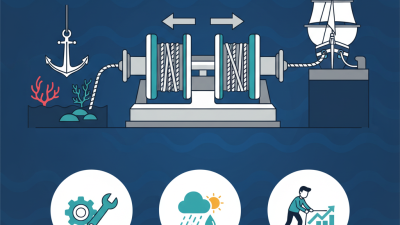
A double-capstan winch moves rope across two powered drums, using friction to haul a load. The rope usually feeds around both capstans rather than winding onto a storage drum. This allows continuous pulling while the operator manages the free end. Check the rope path shown in the manufacturer’s diagram. A different routing can change grip, wear, and handling. That matters.
Drive type affects where and how the winch can work. Electric models need a suitable power supply and wiring; hydraulic models depend on compatible hydraulic flow and pressure. Compare the rated line pull with your actual load and setup. Pull capacity may vary by rope wrap, line speed, and operating conditions. A high rating alone does not guarantee a suitable winch. I would also check duty cycle, controls, mounting needs, and rope compatibility before choosing.
Tips: Match the winch to the expected load, not a best-case estimate. Leave room for changing conditions. Inspect the rope, capstan surfaces, and controls before use, and follow the maker’s operating instructions. If the rating or rope path is unclear, ask a qualified supplier to verify it. One detail is easy to miss: the “best” option may be less powerful, but better suited to the available power and working space.
Compare 2026 Models by Pull Capacity, Rope Speed, Motor Power, and Duty Cycle
What Is the Best Double Capstan Winch for 2026?
Compare 2026 models by rated pull, rope speed under load, motor power, and duty cycle—not peak figures alone. A winch rated for 1,000 kilograms may not sustain that pull at its fastest speed. Capstan performance also changes with rope diameter, surface condition, and the number of wraps. Check whether each specification states its test conditions. Small details matter.
Power relationship: Use the power relationship P = force × speed as a quick check: 1,000 newtons of pull at 0.5 metres per second requires 0.5 kilowatts before losses. A much lower motor rating may signal that the listed figures apply under different conditions.
Duty cycle: For duty cycle, IEC 60034-1:2022 defines ten duty types, from S1 continuous operation to intermittent and cyclic duties. Match the stated type to your real workload, including pauses and repeated starts. Short bursts are different.
Rope compatibility deserves equal attention. ISO 4309:2017 sets inspection and discard guidance for steel wire ropes, but it does not certify a winch’s pulling performance. Ask for test records, rope limits, and speed figures measured under load. Catalog data can be thin here; that is a real drawback. Without comparable test conditions, a neat model ranking can mislead more than help.
For a shortlist, prioritize documented pull-speed curves and a duty rating that fits the expected operating pattern.
Assess Rope Diameter and Inspection Needs Using ISO 4309 Guidance
For the best double capstan winch in 2026, match the rope diameter to the winch maker’s stated range and the rope’s rated capacity.
A capstan that is too small may crush or abrade the rope; one that is too large may reduce grip. Check the rope material, construction, and operating load—not diameter alone.
Small details matter.
ISO 4309:2017 applies to steel wire ropes used on cranes and provides care, inspection, and discard guidance. It does not cover every rope type, so confirm that its criteria suit your installation.
During inspection, measure steel-rope diameter with a suitable caliper at several points, and compare readings with the rope’s nominal diameter and applicable ISO 4309 discard table. The standard’s thresholds vary by rope construction and deterioration mode; a single universal percentage is not reliable. Look closely at capstan contact zones for broken wires, flattened strands, corrosion, kinks, and local wear. Record the measurements and inspection date.
A clean-looking rope can still be damaged inside. That is easy to miss.
Use the current ISO 4309 edition and the rope supplier’s inspection instructions together, especially where the rope repeatedly wraps around the capstans. If the construction or discard limit is unclear, remove the rope from service pending competent assessment.
Check Winch Design and Safety Against EN 14492-1 Requirements
For a 2026 double capstan winch, “best” should mean suitable for the job and supported by verifiable safety information. Look closely at rated pulling force, rope compatibility, duty cycle, and control layout. A compact frame may suit a crowded deck, but it should not make inspection or rope handling awkward. Small details matter.
EN 14492-1 covers safety requirements for power-driven winches. Confirm that the winch’s intended use falls within the standard’s scope, then check its rating plate, operating instructions, and conformity documentation. Review how the design addresses foreseeable hazards, including moving parts, controls, load limits, and any braking or holding functions. These features depend on the winch configuration; do not assume every capstan behaves the same way. Ask for clear technical evidence, not just a sales claim.
Test the setup with the rope and working arrangement you actually plan to use, following the manufacturer’s instructions. Watch for unexpected rope layering, heat, vibration, or control delay. Stop if anything seems wrong. A compliant document cannot replace proper installation, training, and inspection. I would also question a winch whose manual leaves basic operating limits unclear. That is not a minor inconvenience.
Choose a Winch for the Load, Work Cycle, and Operating Environment
What Is the Best Double Capstan Winch for 2026?
Choose by the job, not the headline pull rating. A double capstan setup may offer two working surfaces, but its real capacity depends on the rope, number of wraps, drum condition, and how the load moves. Check both continuous and intermittent duty ratings. A unit that can pull a heavy load briefly may overheat during repeated cycles. Ask for rated line pull at the intended speed, not just peak pull. Also confirm whether both capstans can operate independently or must share a drive.
Match the winch to the load and the route. A boat trailer on a wet ramp, for example, needs a different duty profile from repeated equipment pulls across a level workshop floor. Include slope, starting friction, rope condition, and expected pauses in your calculations. Leave a margin; real loads rarely move as neatly as estimates suggest. The U.S. Bureau of Labor Statistics recorded 5,283 fatal work injuries across all industries in 2023. This figure is not specific to winch use, but it underscores why clear operating procedures and correctly rated equipment matter. I still find rope setup easy to underestimate. Check the operating manual and applicable ASME B30.7 guidance, then verify the complete system under controlled conditions before regular use.