How to Choose the Best Automatic Labeller for Your Business Needs?
Choosing the right Automatic Labeller can significantly impact your business efficiency. According to a recent industry report by Smith & Associates, 75% of businesses saw improved productivity after implementing advanced labelling solutions. This underscores the need for careful selection.
Dr. Emily Tan, a leading expert in labelling technology, states, "The right Automatic Labeller aligns with your operational goals, enhancing efficiency." This statement highlights the importance of understanding your specific needs. Each business has unique requirements, from product types to production speeds.
An Automatic Labeller should not only be efficient but also reliable. Many businesses overlook the potential for low-quality equipment. Inadequate labelling can lead to compliance issues or product recalls. Thus, investing in the right labelling technology is crucial.
Understanding the Basics of Automatic Labellers and Their Functionality
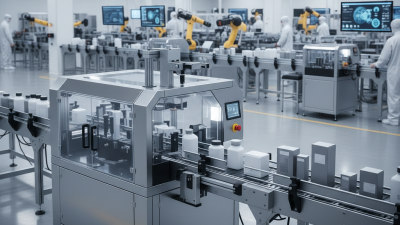
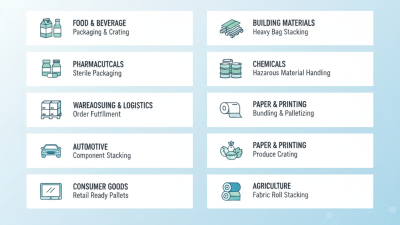
Automatic labellers play a crucial role in businesses today. They enhance productivity and ensure accurate labeling of products. Understanding their functionality is key before making a purchase. These machines apply labels on various surfaces. You can find them in food packaging, pharmaceuticals, and retail. They reduce manual labor and minimize errors, resulting in better efficiency.
A well-chosen automatic labeller can greatly impact operations. Different machines have various capabilities. Some are specialized for round bottles, while others cater to flat surfaces. It's essential to evaluate your specific needs. Consider the speed and output volume. Your business might require a machine that handles high-volume production. Yet, others might work better with lower output but more versatility.
Maintenance is another crucial aspect. Many labellers require regular checks to ensure proper function. Neglecting this can lead to downtime. Choosing a durable model may save you future headaches. But these machines can be complex. Operators must be trained adequately to avoid mishaps. A reliable labeller can streamline your process. However, even the best models need careful operation.
Identifying Your Business Needs and Labelling Requirements
When choosing an automatic labeller, it's essential to identify your business needs. Consider the types of products you label. Are they bottles, boxes, or bags? Different shapes require different labelling solutions. Think about the size of your production line. High-volume production may demand faster, more efficient labelling systems. However, smaller operations might benefit from cost-effective options that handle manual tasks with ease.
Tips: Assess the speed of the labeller. A slower machine might reduce your output. Ensure it fits your production pace. Also, evaluate the adhesive used. Some labels need to withstand moisture or temperature. Make sure the chosen labeller meets these environmental conditions.
Prioritize functionalities that match your workflow. Do you need it to support multiple label sizes? Flexibility can save time in relabelling. Evaluate the learning curve. A complex interface could lead to frustration. It may disrupt your team's efficiency and slow production. Identify your long-term goals too. Choosing a future-proof labeller means investing wisely in your growth.
Evaluating Key Features of Automatic Labellers
When evaluating automatic labellers, consider key features that align with your business needs.
One crucial aspect is speed. How fast can the labeller apply labels?
A high-speed option can improve your production line efficiency, especially during peak times.
Look for models that allow adjustments for various label sizes. This flexibility can save time and reduce waste.
Tip: Assess the accuracy of the label placement. An inaccurate label can lead to costly errors. Precise application minimizes rework and enhances your product presentation. You may want to test a few models before making a decision. This hands-on approach helps you understand the machine's operability.
Another important feature is integration capability.
Can the labeller easily connect with your existing systems? Seamless integration with inventory management or production software can streamline processes.
Also, consider maintenance needs. Some machines require more frequent servicing than others.
Regular maintenance can affect long-term reliability and overall performance.
Tip: Always factor in after-sales support.
A manufacturer with robust customer service can make a significant difference if you encounter issues.
Evaluate their responsiveness and availability during your decision-making process.
Reflect on your specific requirements before settling on a machine.
Comparing Different Types and Brands of Automatic Labellers
When evaluating automatic labellers for your business, consider the different types available. Each type serves various industries, offering unique features. For instance, some models focus on speed while others prioritize precision. Narrowing down your options based on specific needs is essential.
Tip: Analyze your product dimensions. Understanding label size and placement will help in selecting the right model. Misalignment can cause operational delays.
Not all brands deliver equal reliability. Investigate customer reviews and case studies to gauge performance. Some labellers may excel in specific applications but falter in others. Look for brands that showcase their expertise through longevity and service quality.
Tip: Inspect warranty and service agreements. A good warranty reflects confidence in the product. It also shows the manufacturer's commitment to support you.
While many options exist, understanding key features is vital. For instance, assess whether the labeller can handle varying speeds and volumes. This flexibility might aid in meeting peak demand efficiently. Choose thoughtfully; the right machine can streamline your processes significantly.
Budgeting and Cost Considerations for Your Labelling Equipment
When considering automatic labellers, budgeting is crucial. The initial investment can vary greatly. According to the 2023 Labelling Equipment Market Report, businesses can expect to spend between $2,000 to $50,000, depending on features and speed. This variance can lead to confusion about where to allocate funds. Careful planning is essential.
Ongoing costs also impact your decision. Maintenance, repairs, and consumables, like labels and adhesives, add up. Reports indicate that businesses should allocate 10% of the equipment cost for annual maintenance. It’s easy to overlook these costs. Even with a tight budget, ensuring quality is vital. Skimping on durable equipment can lead to frequent replacements.
Evaluating total cost of ownership (TCO) is important. This encompasses the upfront cost plus operational expenses over time. A well-known study found that a higher initial investment might save more in the long run. Balancing quality and price is a challenge. Monitoring budget allocations and exploring financing options can help address this. Reflection on past spending habits can improve future decisions.
Cost Considerations for Automatic Labellers
This bar chart illustrates the estimated costs associated with different types of automatic labellers suitable for various business needs. Each type represents a typical range of prices you might expect to pay, helping you budget effectively for your labelling equipment.