Why Choose an Hdpe Extrusion Line for Your Production Needs?
In today's manufacturing landscape, efficiency and quality are paramount. The use of an HDPE Extrusion Line is increasingly favored for plastic production. According to a report by Freedonia Group, the market for plastic processing equipment, including extrusion lines, is projected to reach $52 billion by 2026. The HDPE Extrusion Line stands out for its versatility and operational efficiency.
Industry expert Dr. Emily Chen emphasizes, "Implementing an HDPE Extrusion Line can dramatically reduce production costs while improving material quality." This solution offers a competitive edge. However, the upfront investment can be daunting, especially for smaller manufacturers. Many grapple with the complexity of the technology and the need for skilled operators.
Choosing the right HDPE Extrusion Line involves considering unique production demands and long-term goals. Manufacturers have to reflect on their capacity to adapt. This choice can shape their future success, impacting not just output, but also sustainability initiatives. Balancing immediate needs with future growth is crucial.
Benefits of HDPE Extrusion Lines in Modern Manufacturing
HDPE extrusion lines are transforming modern manufacturing processes. These machines efficiently produce a variety of plastic products, including pipes, sheets, and films. Their ability to handle high-density polyethylene (HDPE) allows manufacturers to create items with excellent durability. This material is resistant to chemicals and UV light, making it ideal for outdoor applications.
One distinct advantage of using HDPE extrusion lines is their flexibility. They can be adapted for different product designs and sizes, which is particularly beneficial in custom manufacturing. However, customization can lead to challenges. Achieving the right specifications may require multiple trials and adjustments. This process can be time-consuming but is essential for ensuring product quality.
Sustainability is another critical aspect of HDPE extrusion. HDPE is recyclable, aligning with modern eco-friendly practices. Many manufacturers face hurdles in implementing recycling systems effectively. While there are benefits, companies must evaluate infrastructure and costs. Balancing production efficiency and environmental responsibility is a constant challenge that demands careful planning.
Benefits of HDPE Extrusion Lines in Modern Manufacturing
Key Components of an HDPE Extrusion Line Explained
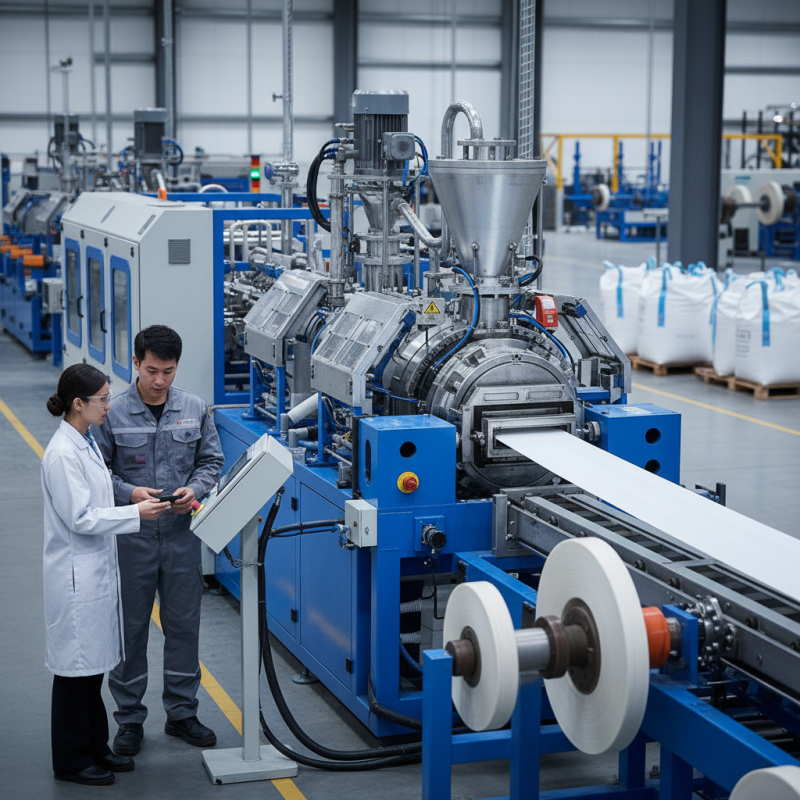
An HDPE extrusion line is vital for efficient production. The line consists of several key components. The extruder is the heart, where raw HDPE pellets are melted and formed. It ensures uniform processing, vital for product quality. Reports show that efficient extruders can enhance production rates by up to 30%.
Cooling systems follow, crucial for shaping the material accurately. These systems control temperature, affecting final product strength. A well-designed cooling setup reduces warping during production. Many companies overlook the importance of this, leading to quality issues that could be avoided.
Consider the die design too. An effective die provides smooth flow and consistency. Poor die choices can lead to uneven thickness. Always evaluate and test different designs. Small tweaks can result in significant improvements in output.
Tips: Regular maintenance of your extrusion line is essential. Neglect can lead to costly downtimes. Evaluate the quality of your HDPE. Using inconsistent raw materials can hamper your production goals.
Applications of HDPE Products in Various Industries
HDPE, or high-density polyethylene, serves various industries due to its durability and versatility. In construction, HDPE sheets are used for lining landfills and other containment systems. Their resistance to chemicals makes them ideal for holding hazardous materials. In agriculture, HDPE pipes are favored for irrigation systems. These lightweight pipes are easy to install and maintain.
Tips: When considering HDPE for your project, ensure you understand the specific requirements of your application. Each industry has unique needs.
In the packaging sector, HDPE plays a vital role. It is commonly found in containers and bottles. These products are recyclable, contributing to a circular economy. However, not all consumers are aware of how to recycle HDPE properly. This gap needs addressing.
Tips: Educate your customers on proper recycling methods. Clear labeling can make a difference.
The automotive industry also benefits from HDPE components. Lightweight parts enhance fuel efficiency. Yet, there is an ongoing debate about the environmental impact of production processes. Constant evaluation is crucial for improvement.
Factors to Consider When Selecting an HDPE Extrusion Line
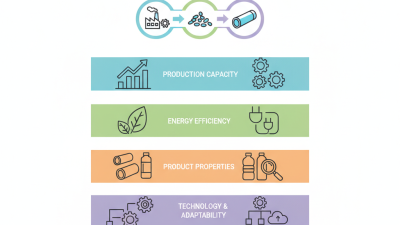
When selecting an HDPE extrusion line, consider several key factors. The first is capacity. The demand for HDPE products has grown significantly. According to a recent report, the HDPE market is expected to reach a value of $78.43 billion by 2025. A suitable extrusion line should match your production volume to avoid bottlenecks.
Another important factor is energy efficiency. Modern HDPE extrusion lines can reduce energy consumption by up to 30%. This not only cuts costs but also supports sustainability initiatives. Efficiency directly impacts profitability. A less efficient line may require more maintenance, leading to unexpected downtime.
Quality control is essential as well. Consistency in product quality can be a challenge. Variations in temperature and pressure can affect the final product. Data shows that 15% of HDPE products fail quality checks at some point. Investing in advanced monitoring systems can help mitigate these risks. It can ensure that your production remains reliable.
Why Choose an Hdpe Extrusion Line for Your Production Needs?
| Dimension |
Details |
| Material Type |
High-Density Polyethylene (HDPE) |
| Production Capacity |
500 kg/h to 3000 kg/h |
| Extruder Type |
Single Screw Extruder |
| Energy Efficiency |
Up to 30% energy savings |
| Control System |
PLC-based with touchscreen interface |
| Flexibility |
Customizable for various product sizes |
| Maintenance |
Low maintenance with easy access to components |
| End Products |
Pipes, sheets, films, and molded items |
Maintenance and Operational Efficiency of HDPE Extrusion Systems
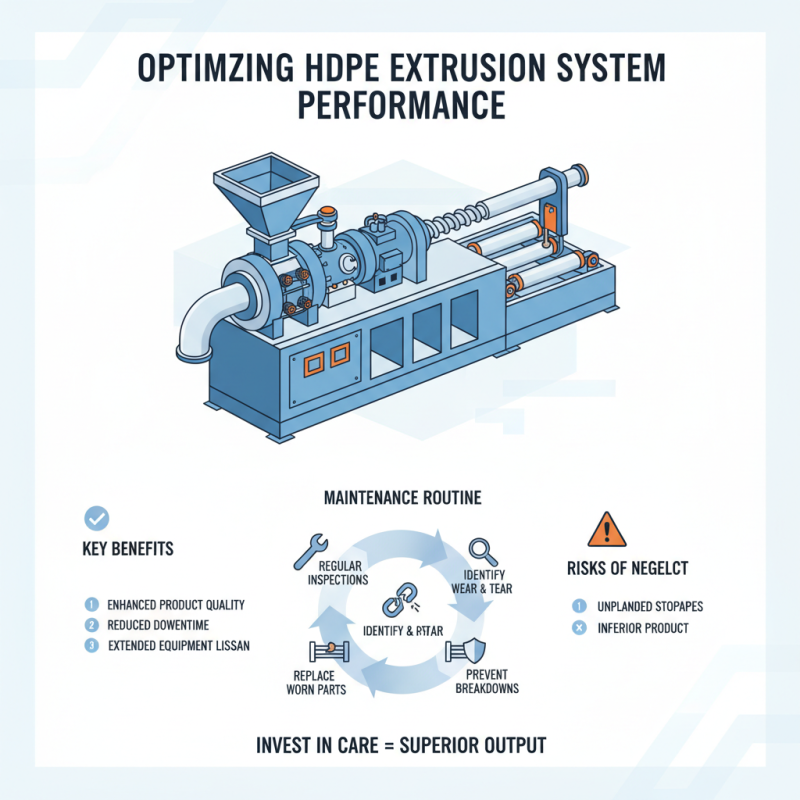
HDPE extrusion systems are known for their efficiency, but they require careful maintenance. A well-maintained system leads to better product quality. Regular inspections help identify wear and tear. Replacing worn parts on time can prevent major breakdowns. Neglecting these tasks often results in unexpected downtimes.
Operational efficiency hinges on how well operators understand the machinery. Training is vital. Knowledgeable operators are more likely to spot issues early. They can adjust settings to optimize production. However, it’s common for some staff to overlook small indicators of trouble, thinking it’s not a big deal. This mindset can lead to larger problems down the road.
Another consideration is the environment where the extrusion line operates. Dust and debris can accumulate over time. This creates challenges in the long run. Keeping the area clean is essential, but often overlooked. It’s easy to focus only on the machine. In reality, a clean workspace helps maintain optimal operation, making the entire process more efficient.