What is Double Capstan and How Does It Function in Marine Applications?
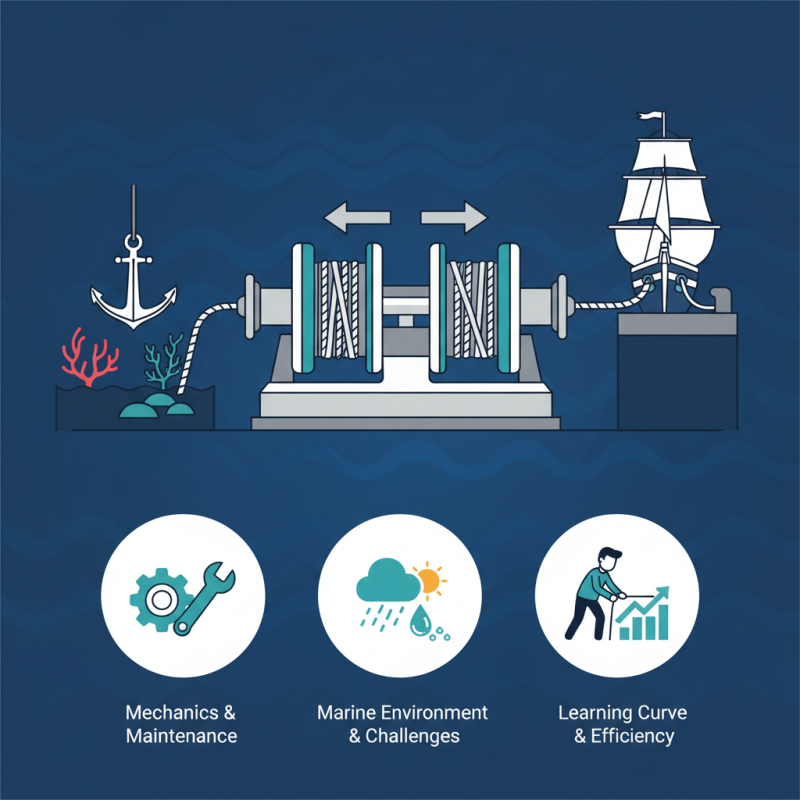
The Double Capstan is an essential tool in marine applications. It plays a vital role in anchoring and mooring operations. This device has two drums that rotate in opposite directions, providing powerful pulling capabilities. Sailors often rely on it for efficient handling of heavy lines.
In practice, the Double Capstan requires careful operation. Understanding its mechanics is crucial. Improper use can lead to accidents or equipment damage. Despite its advantages, many operators struggle with its nuances. The learning curve might deter some, but persistence is key.
Marine environments pose unique challenges. Weather conditions and saltwater can affect performance. Regular maintenance is necessary to keep a Double Capstan functioning optimally. With proper care, it proves reliable. Embracing this technology can enhance operational efficiency in marine settings.
Understanding the Concept of Double Capstan in Marine Settings
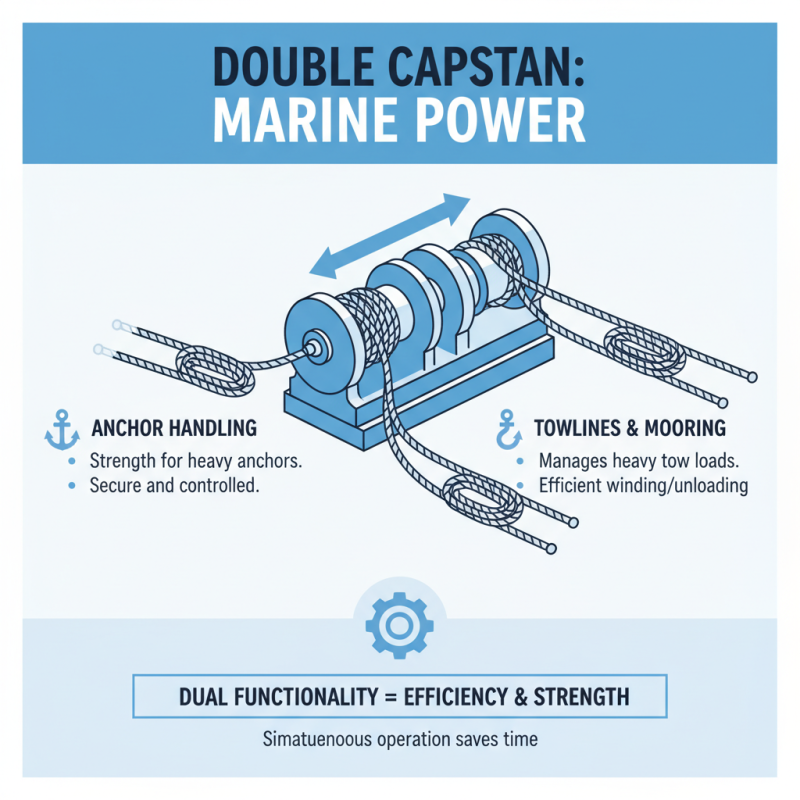
The double capstan is a vital tool in marine applications. It consists of two rotating drums that work together to handle heavy loads. This design provides efficiency and strength, making it ideal for towlines and anchors. The dual functionality allows for simultaneous winding or unloading, which can save time during crucial operations.
In marine settings, the double capstan shines during challenging conditions. For example, it assists in mooring vessels in high winds or currents. Operators must know how to manage its power effectively. Miscommunication can lead to errors, causing stress on cables. The setup also requires regular maintenance to avoid failures. A corroded capstan can lead to operational delays.
Working with a double capstan demands skill. Crew members often face obstacles, like rough seas or entangled lines. Each situation presents unique challenges. Continuous training helps improve response times and safety practices. The importance of understanding this tool cannot be overstated. Proper techniques ensure that marine operations run smoothly and safely.
Basic Design and Structure of Double Capstan Mechanisms
The double capstan is a vital tool in marine applications. Its design consists of two cylindrical drums, often mounted on a single frame. These drums rotate independently, allowing for efficient pulling of heavy loads. A unique feature is the ability to operate multiple lines at the same time. It’s like having two winches working in harmony.
Understanding its structure helps in realizing its potential. Each capstan connects to a powerful motor, ensuring strong torque. The frame must be sturdy to withstand ocean conditions. Additionally, the winch lines must be durable and resistant to wear and tear. However, this complexity can lead to maintenance challenges.
The design requires careful consideration of weight distribution. If the load is not balanced, it may lead to inefficiency. Adjustments may be needed based on the environment. For example, in rough seas, the capstan may struggle. Marine engineers must assess these factors regularly. Over time, improvements can enhance performance.
What is Double Capstan and How Does It Function in Marine Applications?
| Feature |
Description |
Application |
| Structure |
Two vertical drums mounted on a single axis allowing simultaneous operation. |
Used on boats for mooring and anchoring operations. |
| Functionality |
Allows for increased pulling power and greater control of heavy loads. |
Mooring larger vessels securely in harbors. |
| Advantages |
Enhances efficiency, reduces physical labor, and minimizes fatigue. |
Facilitates operations in challenging marine environments. |
| Components |
Drums, winch motor, gearbox, control system. |
Used in tugboats and large vessel operations. |
| Maintenance |
Regular inspections, lubrication of moving parts, and replacement of worn components. |
Essential to ensure reliability and safety during usage. |
How Double Capstan Operates: Principles of Functionality
The double capstan is a vital tool in marine applications. It consists of two rotating drums that can operate in opposite directions. This design improves efficiency when pulling heavy loads. In typical operations, a sailor wraps a rope or cable around the capstans. The capstans then turn, creating significant pulling power. The synchronized motion allows for better control.
Proper alignment is critical. If the capstans are misaligned, the rope may slip or fray. Regular maintenance checks can help prevent these issues. A drop in tension can lead to accidents on board. Always ensure that safety measures are in place.
Tips: Always use appropriate safety gear when operating heavy machinery. Keep the area around the capstan clear of obstacles. It’s helpful to practice operations in calm conditions before challenging scenarios. Understanding the mechanics will enhance performance and safety in marine operations. Regular practice can help your team respond efficiently under pressure.
Applications of Double Capstan in Marine Industry
In the marine industry, the double capstan is a crucial tool for various applications. Boat mooring often relies on these devices for anchoring securely. They assist in pulling heavy loads with ease. This makes them ideal for towing operations as well. The design allows for dual line handling, providing efficiency in tasks.
Lifting and lowering anchors is another important use. The double capstan enables smooth operation, even in rough seas. It reduces the physical strain on crew members. However, improper handling can lead to accidents. Training is vital to ensure safety. A well-maintained double capstan can last years, but neglect can result in failure.
In commercial shipping, these capstans play a vital role. They are used in cargo handling to secure heavy goods efficiently. Quick adjustments to the load can be crucial during operations. Yet, marine applications also face challenges. Environmental factors, like saltwater corrosion, can affect performance. Regular inspection and maintenance must not be overlooked.
Advantages and Limitations of Using Double Capstan Systems
Double capstan systems provide unique advantages in marine applications. These systems allow for faster line handling and increased control. The two capstans work together, enabling smooth operation. This helps in managing heavier loads more efficiently. However, challenges exist. They require regular maintenance and can be complex to operate for inexperienced users.
Using a double capstan can improve efficiency. Yet, this system may not be suitable for all vessels. Space constraints on smaller boats can limit their use. Users must also consider the learning curve involved. It's essential to understand the operation fully before deployment.
**Tip:** Always perform a safety check before using a double capstan. Ensure that all components are in good condition. Also, have a backup plan if the system fails unexpectedly. This foresight can save time and prevent accidents. It's not foolproof, and reflections on past experiences are crucial for mastery.