2026 How to Use Double Twist Bunching Machine Efficiently?
The efficiency of the Double Twist Bunching Machine is pivotal in modern manufacturing, particularly in the textile industry. As per a recent report by Market Research Future, the demand for efficient machinery has surged by 25% over the past three years, showing that companies seek to optimize their production processes. Improved technology allows for faster output and higher precision, making these machines essential.
Industry expert John Smith states, "Mastering the use of a Double Twist Bunching Machine can significantly enhance productivity and reduce waste." However, many operators underestimate the importance of proper training and maintenance. It's not just about having the latest equipment. The correct usage techniques and regular upkeep can lower operational costs and increase lifespan.
Despite these advantages, some manufacturers fail to implement best practices. They often overlook the potential bottlenecks that improper handling can create. Striking a balance between speed and quality remains a challenge. Analyzing these aspects can lead to better results and substantial savings in the long run. Understanding how to maximize the Double Twist Bunching Machine's capabilities is crucial for any operation aiming for success.
Understanding the Double Twist Bunching Machine and Its Components
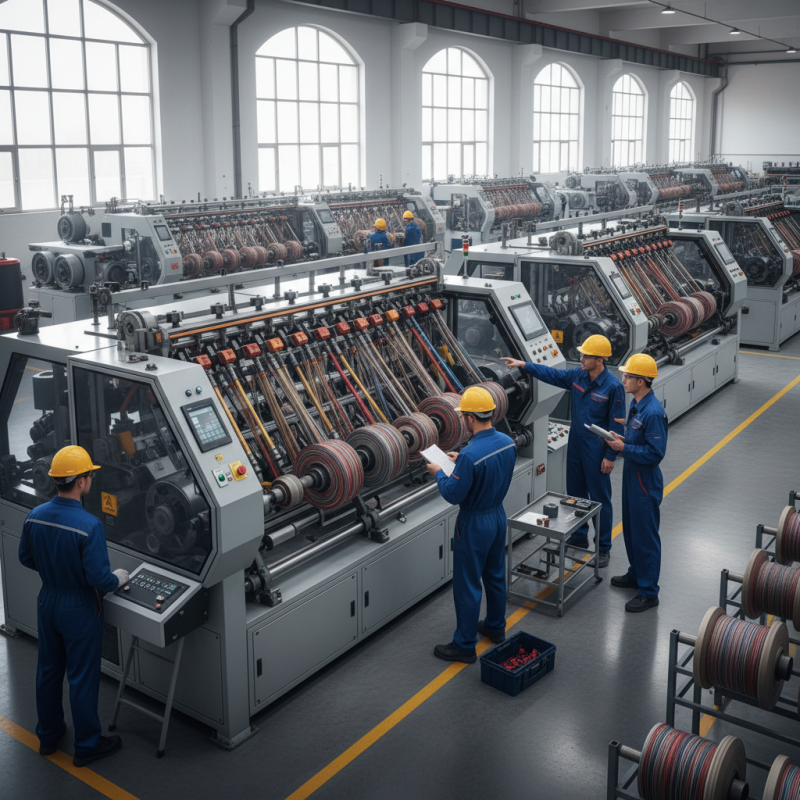
Understanding the Double Twist Bunching Machine is crucial for effective operation. This machine comprises several key components that work together seamlessly.
The central element is the twisting mechanism, which creates a tight configuration of materials. Users should pay close attention to the tension settings to ensure optimal performance. If the tension is off, it can lead to uneven twists and wasted material.
Another important component is the feeding system. It controls how the materials enter the machine. Problems often arise here, particularly if the feed is inconsistent. Inconsistent feeding can result in jamming, which interrupts production. Regular maintenance of this system helps prevent issues.
Operators should familiarize themselves with the control panel. It contains settings that adjust speed and twist angle. Misunderstanding these controls could lead to mistakes. A lack of knowledge may cause inefficiencies. Training sessions can help improve operator skills and reduce errors. Reflection on previous usage can provide insights into improving efficiency.
Setting Up the Double Twist Bunching Machine for Optimal Performance
Setting up the Double Twist Bunching Machine requires careful consideration. Begin by selecting a suitable location. This area should be clean and well-lit. Ensure that there is enough space around the machine for operation and maintenance. The machine should be on a stable surface. Check that the electrical outlets are accessible and in good condition.
Next, configure the machine settings based on your production needs. Adjust the tension controls to suit the materials you use. Different materials may require different tensions. Take a moment to double-check these settings before starting production. Pay attention to the alignment of the yarns. Misalignment can lead to uneven bunching and material waste.
After setup, run a few test batches. Monitor the output closely. Notice any irregularities or issues. Document these observations for future reference. It's common to encounter challenges during this phase. Adjusting settings can be a process of trial and error. Reflect on these adjustments to enhance performance. This reflective practice can lead to optimal outcomes.
Efficiency of Double Twist Bunching Machine Setup
This bar chart illustrates the average time in minutes spent on different steps involved in the setup and operation of a double twist bunching machine. By optimizing the setup time, which takes about 10 minutes, overall efficiency can be significantly improved while maintaining the operational time at 150 minutes and allowing for 30 minutes for regular maintenance.
Step-by-Step Guide to Operating the Double Twist Bunching Machine
Operating the Double Twist Bunching Machine can seem daunting at first. However, with a clear step-by-step approach, it becomes manageable. Begin by reviewing the machine's manual. Familiarizing yourself with its parts and controls is crucial. Always check for any loose connections or wear before starting. A well-prepared setup enhances performance.
Next, choose the right materials. This machine is designed for specific types of yarns. Each yarn behaves differently and can affect the outcome. For example, tightly wound fibers might lead to tangling. Adjust the tension settings accordingly. Ensure you have a clean workspace. This reduces the chances of mishaps.
After you've started the machine, monitor its operation closely. Sometimes, the machine may not behave as expected. Listen for unusual sounds or watch for irregular movements. If something seems off, pause and troubleshoot. Make notes of any patterns you observe. Reflecting on these details will help improve your efficiency. Working with this machine is a learning process. Embrace the journey, even with its ups and downs.
Maintenance Tips for Longevity and Efficiency of the Machine
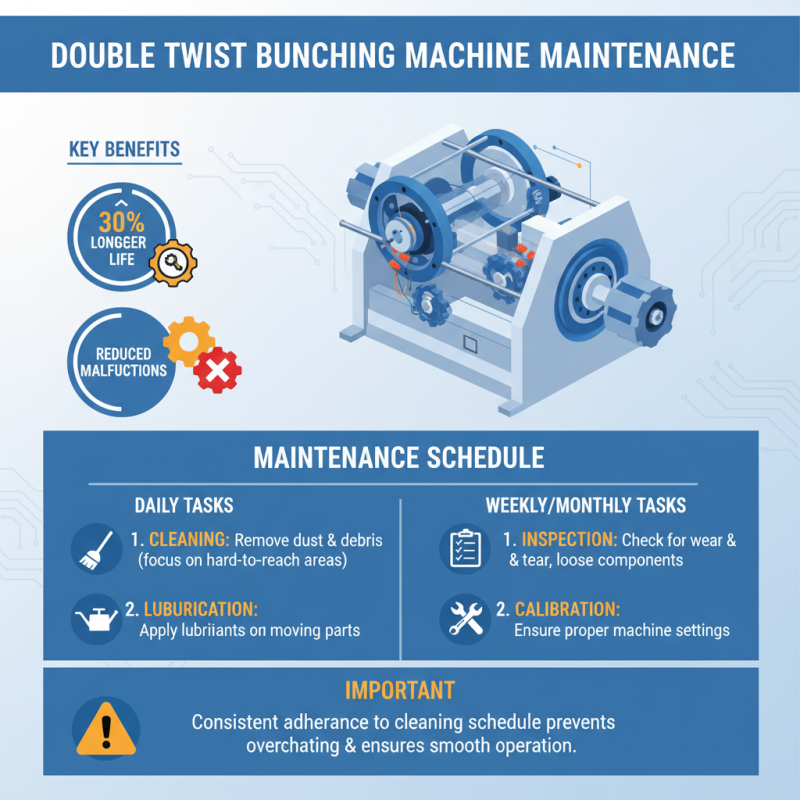
Proper maintenance of double twist bunching machines is crucial for their longevity. According to industry reports, regular maintenance can extend machine life by up to 30%. Key elements include daily cleaning and lubrication. Dust and debris often accumulate in hard-to-reach areas. Ignoring this can lead to overheating and malfunction. Workers should have a cleaning schedule. This plan helps keep machines running smoothly.
Another important aspect is monitoring the machine’s performance. Data shows that a well-maintained machine can operate at 90% efficiency. Operators need to keep an eye on production rates and output quality. If there’s a sudden drop, it might signal a problem. Troubleshooting early saves time and costs.
Frequent inspections are important too. Check belts, bearings, and gears regularly. Small issues, if left unresolved, can turn into major problems. It’s easy to overlook these details. However, paying attention to maintenance can prevent downtime. Ultimately, investing time in upkeep pays off in efficiency and productivity.
Best Practices for Troubleshooting Common Issues with the Machine
When using a double twist bunching machine, common issues can disrupt the workflow. Often, improper tension leads to inconsistent results. Regularly check the tension settings. If the yarn is too loose, it may create uneven twists. If it's too tight, it can break easily. Adjusting the tension can enhance the output quality.
Another frequent problem might be jamming. Dust and debris can accumulate in the machine. Ensure the workspace is clean. Regularly inspect machine components for wear and tear. If the machine jams, stop immediately to prevent damage. Clear any obstructions gently and restart the machine.
Lastly, user error can affect performance. Operators should be trained adequately. Misunderstanding control settings can lead to wasted materials. Implementing a checklist could help prevent mistakes. Regular practice and feedback will improve efficiency over time. Addressing these issues will lead to a smoother operation.