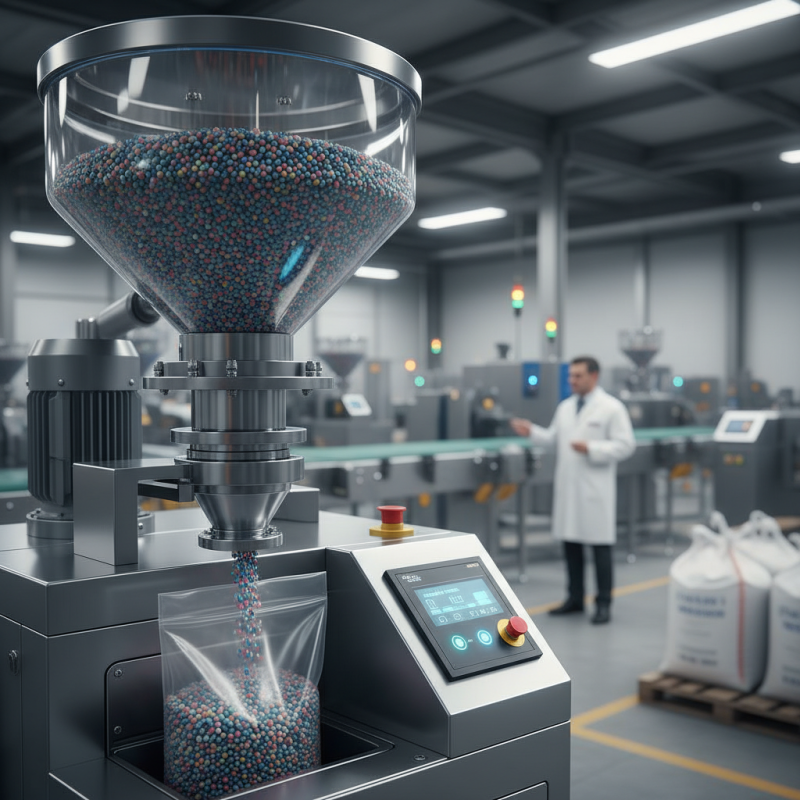
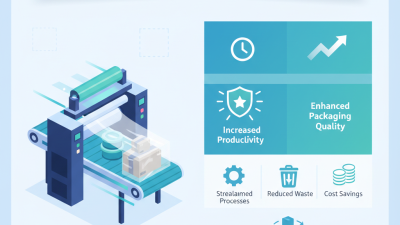
In the world of packaging, the Granule Packing Machine plays a vital role. As an industry expert, Dr. John Smith states, "Efficiency in granule packing leads to significant cost savings." Understanding the features and benefits of these machines can change how businesses operate. With advancements in technology, granule packing processes have become faster and more reliable.
Granule Packing Machines provide precision in filling and sealing. They can handle various types of granules, making them versatile in different industries. However, not all machines are created equal. Some lack customization options, which can hinder performance in specialized tasks. It’s crucial to evaluate machine capabilities before making a purchase.
Companies should carefully reflect on their needs. The choice of a Granule Packing Machine can significantly affect production efficiency. Investing in a high-quality machine is essential, but it also requires ongoing support and maintenance. Balancing cost with features is a challenge many face.
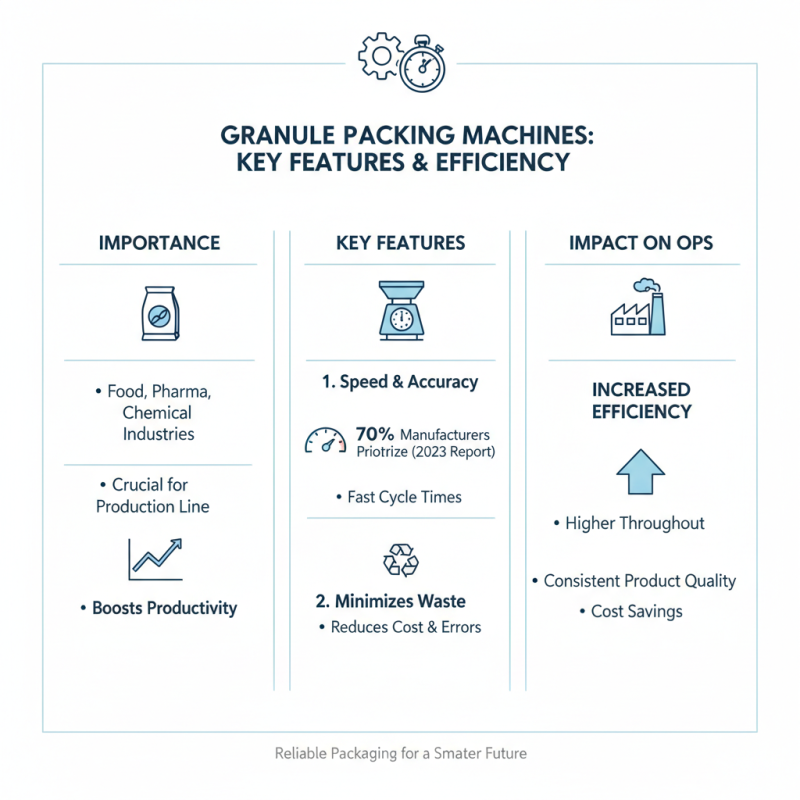
Granule packing machines are vital for many industries, from food to pharmaceuticals. Key features of these machines significantly influence operational efficiency. According to a 2023 industry report, over 70% of manufacturers prioritize speed and accuracy in their packing solutions. Fast cycle times can boost productivity, but potential errors in packing can lead to wastage and increased costs.
One essential feature is the ability to adjust filling volumes. This flexibility allows manufacturers to cater to diverse product lines. In fact, machines that accommodate multiple bag sizes can reduce downtime during changeovers. However, complex adjustments might require skilled operators, posing challenges for less experienced teams. Additionally, advanced sensors can enhance accuracy by detecting inconsistencies. Yet, these technologies can increase initial investment costs, making it essential for companies to weigh benefits against expenses.
Moreover, user-friendly interfaces are crucial. In a recent survey, 65% of operators reported that easy-to-navigate controls reduced training time. However, some machines still lack intuitive designs, confusing new users. Regular maintenance is another concern. A lack of planned maintenance can lead to breakdowns, affecting production schedules. Thus, businesses must find balance and invest wisely in features that not only boost efficiency but also enhance user experience.
Granule packing machines offer numerous benefits across different industries. These machines are essential in sectors like food, pharmaceuticals, and chemicals. According to a recent industry report, the global market for granule packing machines is projected to grow by over 8% annually. This reflects the increasing demand for efficient packaging solutions.
One significant advantage is improved efficiency. Granule packing machines can pack products at high speeds. Some models achieve up to 120 bags per minute. This speed can significantly reduce labor costs and increase production rates. In addition, these machines minimize waste. A 2022 analysis indicated that efficient packing can cut material waste by 15% to 20%.
Moreover, flexibility is a key benefit. These machines can handle various granule sizes and materials. However, installation and training can be complex. Operators may require extensive training to master new technology. This transitional period can lead to initial productivity dips. Balancing efficiency with the learning curve is crucial for maximizing the machine's potential.
Granule packing machines come in various types, each designed for specific applications. Understanding these types helps in selecting the right machine for your needs. For instance, vertical form-fill-seal machines are popular for packing granules. They efficiently create bags from a roll of film, filling them with product as they form. This process is fast and cost-effective, ideal for small to medium-sized productions.
Another type is the horizontal form-fill-seal machine. This machine is often used for granules that are flaky or irregular in shape. It handles larger bag sizes effectively and is beneficial for bulk packaging. However, it may require more space compared to other options.
**Tip**: Always assess the granule characteristics before choosing a machine. Some machines work better with finer powders, while others are suited for larger, chunky granules.
Consideration of automation levels is also crucial. Fully automated machines minimize labor costs but have higher initial investments. Semi-automated machines can be a good balance, offering efficiency while remaining affordable.
**Tip**: Regular maintenance is key for longevity. Check seals and motors periodically to avoid unexpected breakages. A well-maintained machine runs smoothly and delivers better production outcomes.
| Feature | Description | Benefit |
|---|---|---|
| High Speed Packaging | Capable of packing up to 100 bags per minute. | Increases productivity and reduces labor costs. |
| Automatic Weighing System | Integrated scales for accurate measurement. | Ensures packaging consistency and reduces material wastage. |
| Versatile Packaging Options | Supports various bag sizes and types. | Adaptable for different products and market needs. |
| User-Friendly Interface | Touchscreen controls with easy navigation. | Reduces training time and operator errors. |
| Durable Construction | Made from high-quality materials for longevity. | Lower maintenance costs and longer service life. |
| Energy Efficient | Designed to minimize power consumption. | Reduces operational costs and carbon footprint. |
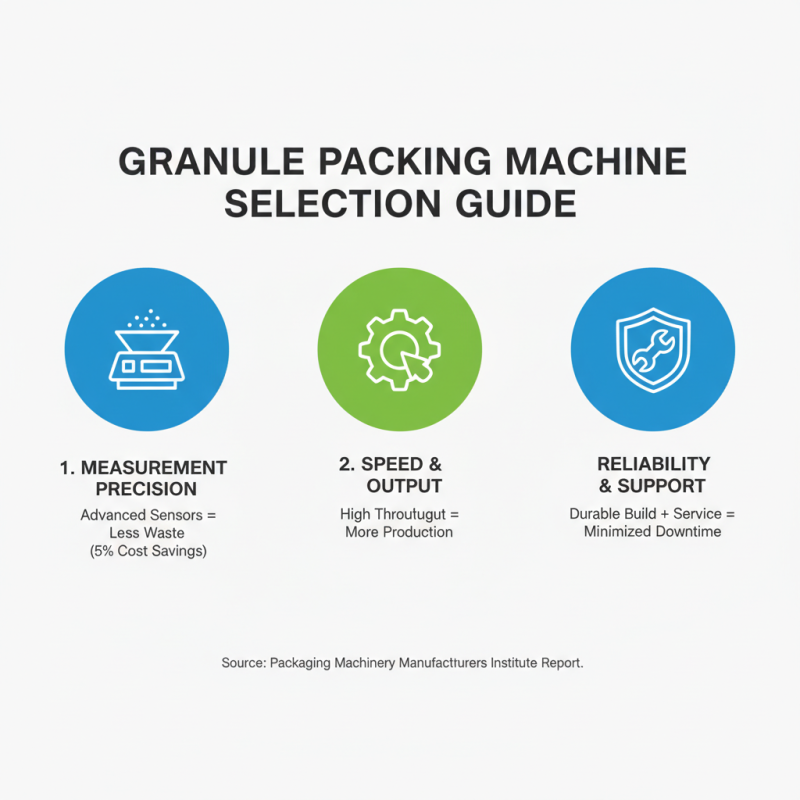
When selecting a granule packing machine, several key factors come into play. First, precision in measurement is crucial. A report by the Packaging Machinery Manufacturers Institute highlights that inaccurate measurements can lead to a 5% increase in packaging costs. Machines with advanced sensors and controls offer better accuracy, reducing material waste significantly.
Speed is another essential consideration. Many companies prioritize high-speed packing to meet production demands. A machine that can pack 30-50 bags per minute is often ideal for medium-sized operations. However, achieving high speed can lead to trade-offs in quality. Frequent adjustments might be required, leading to downtime. Balancing speed with reliability becomes a challenge in production lines.
Furthermore, the adaptability of the machine is vital. It should handle various granule sizes and types efficiently. Research from industry analysts suggests that over 70% of businesses experienced difficulties with equipment versatility. Choosing a machine that offers easy changeovers can minimize operational disruptions. Therefore, evaluating the machine's flexibility can profoundly impact long-term success and productivity.
Maintaining your granule packing machine is crucial for optimal performance. Regular maintenance can significantly reduce downtime. According to the Packaging Machinery Manufacturers Institute (PMMI), proper upkeep can improve machine efficiency by up to 20%. Neglected machines can lead to increased errors in packaging. This can ultimately affect production rates.
Routine inspections are essential. Check for wear and tear on components. Frayed belts can cause misalignment. Lubrication is often overlooked. Yet, 30% of mechanical failures are linked to inadequate lubrication. Using the right lubricant can extend a machine's life.
Training staff on maintenance protocols is also vital. Employees need to know how to identify early signs of wear. A small issue can escalate quickly if left unaddressed. Forming a checklist for daily tasks can help streamline maintenance processes. Ignoring these steps can lead to costly repairs and downtime.