2026 How to Implement Robotic Case Palletizing in Your Warehouse?
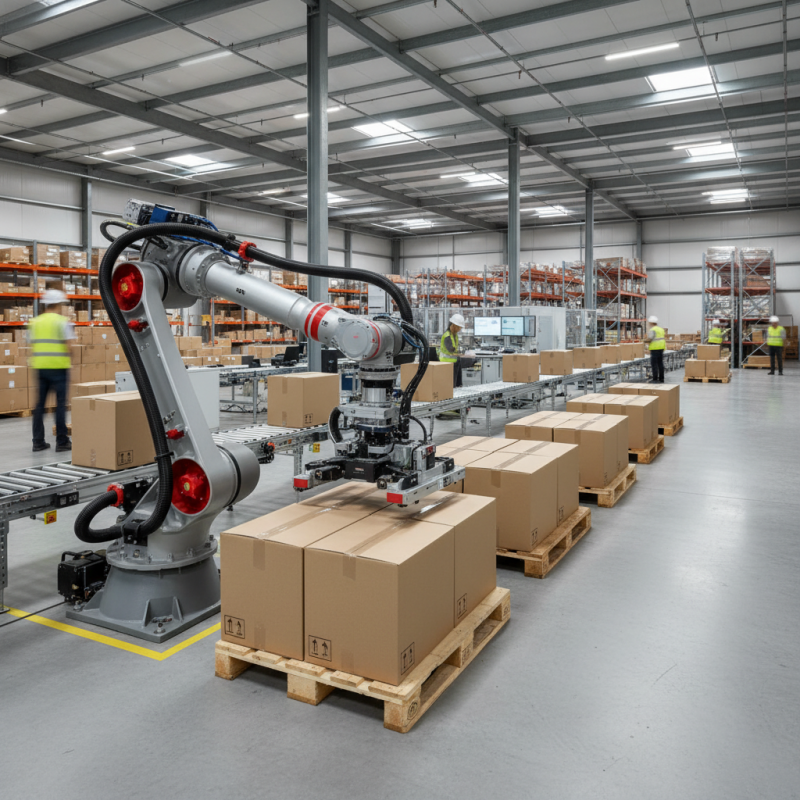
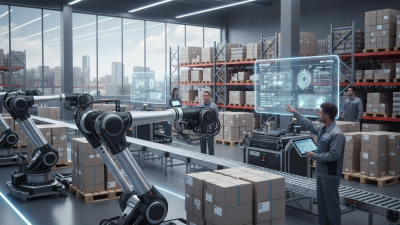
Implementing Robotic Case Palletizing in your warehouse can significantly enhance efficiency. This technology automates the process of stacking cases onto pallets, reducing manual labor. Workers can focus on more complex tasks while robots handle the repetitive loading.
However, integrating robotic systems is not without challenges. Many companies face obstacles such as initial costs and employee training. It's crucial to assess your warehouse layout and select the right equipment. Adapting to new technology may take time.
Despite these challenges, the benefits of robotic case palletizing are clear. Increased speed and accuracy can lead to higher productivity. By carefully planning your implementation, you can transform your warehouse operations. Embracing this technology may require patience, but the rewards are worth the effort.
Understanding Robotic Case Palletizing: An Overview
Robotic case palletizing is transforming warehouses. It automates the stacking of products onto pallets. This process enhances efficiency and accuracy. According to a recent study by a prominent industry group, automation can improve productivity by up to 30%. Many warehouses experience labor shortages. Robotic solutions address this issue effectively.
Understanding the mechanics of palletizing is essential. Robots typically use vision systems and advanced algorithms. These systems identify items and determine the best stacking patterns. A report from a tech research firm indicated that 70% of companies investing in robotic palletizers see a return on investment within two years. However, not all systems are perfect. Integration challenges often arise, leading to unforeseen downtime.
Adopting robotic case palletizing is not simply a plug-and-play solution. Staff training remains crucial. Some users report difficulties adjusting to new workflows. A seamless transition requires proper planning and ongoing support. Mistakes during implementation can lead to wasted resources and frustration. Continuous assessment of the system helps identify these issues promptly.
Key Benefits of Implementing Robotic Systems in Warehousing
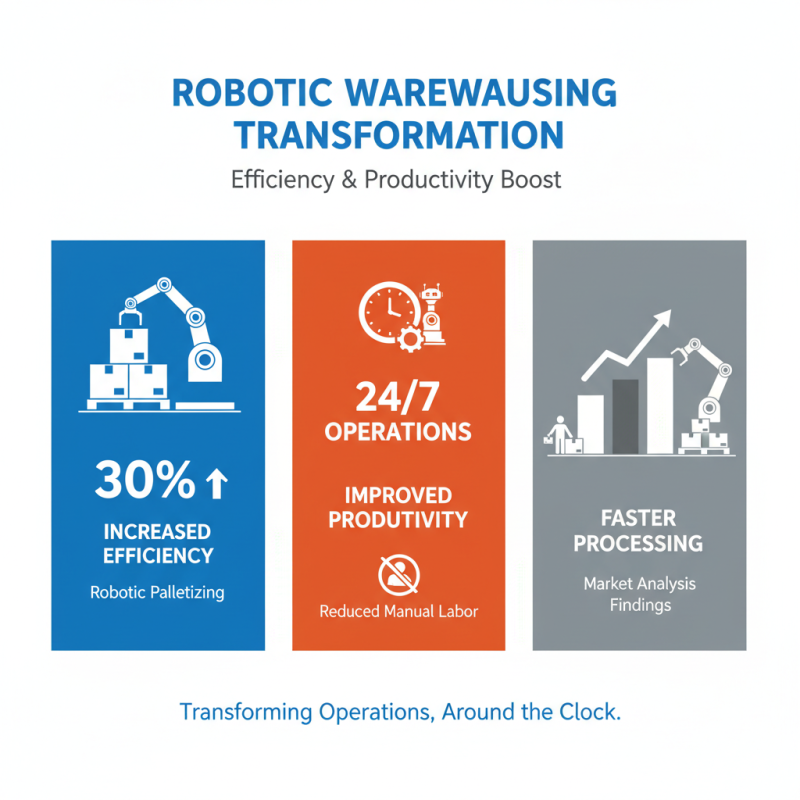
Robotic systems in warehousing bring significant benefits that can transform operations. According to a recent market analysis, companies that adopt robotic palletizing can increase efficiency by up to 30%. This boost stems from reduced manual labor and faster processing times. Moreover, these systems can work around the clock, improving overall productivity.
Implementing robotic case palletizing minimizes the risk of workplace injuries. With 25% of workplace injuries attributed to manual handling, automation provides a safer environment. Robots handle heavy lifting and repetitive tasks, which alleviates stress on workers. As a result, employee satisfaction can improve, leading to reduced turnover.
**Tips:** Start by conducting a thorough assessment of your warehouse layout. Identify bottlenecks that could benefit from robotic solutions. Another consideration is training staff to work alongside robots. Proper integration is crucial for maximizing the potential of automation. Lastly, be prepared for challenges during the transition. Reflect on potential adjustments in workflow and systems to achieve the best results.
Steps to Assess Your Warehouse for Robotic Palletizing Solutions
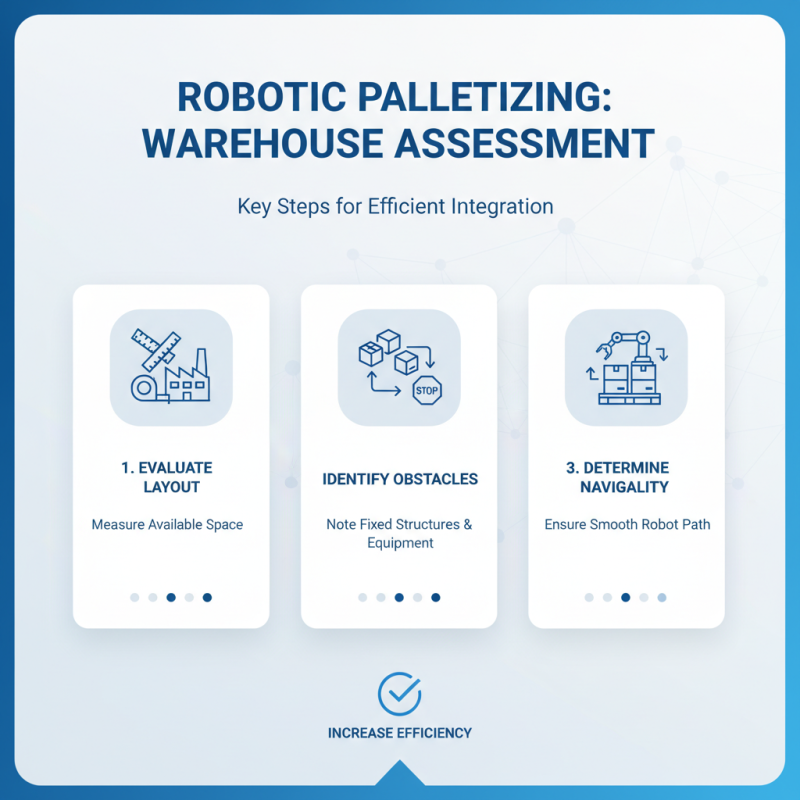
When considering robotic palletizing solutions, assessing your warehouse is crucial. Start by evaluating your current layout. Measure your available space and note any obstacles. This helps you determine if robots can navigate efficiently without disruption.
Tips: Look for areas with heavy foot traffic. Robots need clear paths to operate smoothly without interruption.
Next, analyze your product varieties. Different products require different handling methods. Are they uniform in size? Do they need special care? Keep these questions in mind. If the workflow is too complex, simplification may be necessary before implementing automation.
Tips: Consider testing robotic solutions with a few product types first. This helps identify potential issues early on.
Lastly, involve your team. Their insights on daily operations are valuable. They can highlight challenges you might overlook. Gather feedback and adjust your plans accordingly. Remember, not every problem has an immediate solution. Stay flexible and open to changes. Adjustments may lead to unexpected improvements.
Choosing the Right Technology and Equipment for Your Needs
When considering robotic case palletizing for your warehouse, choosing the right technology is crucial. The market is projected to grow by 24% annually, reaching $3 billion by 2026. Selecting the appropriate equipment can improve efficiency and reduce costs. However, this decision is not straightforward.
Consider the layout of your warehouse. Analyzing your space will help determine the size and type of robotic system suitable for your needs. Flexibility is key. Some systems can handle various product dimensions. Others may struggle with changes. Understand your operation's specific requirements before making a commitment.
Tips: Regularly assess your equipment's performance. Emphasizing maintenance can prevent costly downtime. Also, involve your team in the decision-making process. Their insights can spotlight potential issues and improve overall acceptance.
Investing in the latest technology can seem daunting. It’s essential to budget wisely. Reports indicate that more than 30% of organizations underestimate implementation costs. Taking time to evaluate different solutions makes a difference. Set realistic expectations regarding time and resources to ensure a smooth transition.
2026 How to Implement Robotic Case Palletizing in Your Warehouse?
| Technology Type |
Features |
Load Capacity |
Price Range (USD) |
Recommended Industries |
| Articulated Robots |
High flexibility, multiple configurations |
Up to 100 kg |
$30,000 - $75,000 |
Food & Beverage, Pharmaceuticals |
| Collaborative Robots (Cobots) |
Safe interaction with humans, easy programming |
Up to 10 kg |
$15,000 - $30,000 |
Consumer Goods, E-commerce |
| Automated Guided Vehicles (AGVs) |
Transport materials autonomously |
Varies, up to 500 kg |
$25,000 - $100,000 |
Manufacturing, Warehousing |
| Palletizing Robots |
Designed specifically for stacking |
Up to 150 kg |
$50,000 - $150,000 |
Logistics, Heavy Industry |
Training and Integration: Ensuring Successful Robotic Operation
Implementing robotic case palletizing in a warehouse can streamline operations. However, training is crucial for success. A study from the Association for Advancing Automation revealed that 85% of companies saw increased productivity after adopting robotics. Yet, many faced challenges during integration. Poorly trained staff could lead to misunderstandings and operational delays.
Staff training typically includes hands-on sessions and simulations. Clear explanations of robotic functions are essential. Employees need to feel comfortable interacting with robots. Only 30% of workers reported feeling confident in operating new technologies after brief training sessions. Continued education can greatly enhance this number. Training must extend beyond initial implementation; regular refreshers keep skills sharp.
Integration also requires evaluating workflow. A mismatch between robotic capabilities and warehouse needs can hamper efficiency. Companies must analyze their processes carefully. Even with robots, human oversight remains vital. While robots tackle repetitive tasks, employees resolve unexpected issues. Balancing automation and human input is key. The journey may be challenging, but the results can significantly improve warehouse operations.