Top Robotic Palletisers for Efficient Global Supply Chains?
In the fast-paced world of logistics, efficiency is paramount. Robotic palletisers have emerged as vital tools in reshaping supply chains globally. According to Dr. Emily Hartman, a renowned robotics expert, "The rise of robotic palletisers is revolutionizing how we manage our distribution networks." This statement underscores the transformative impact of these machines.
Robotic palletisers streamline processes, reduce labor costs, and minimize errors. They facilitate quick adaptations to changing demands. Companies implementing these systems often achieve remarkable efficiency and reliability. However, integrating robotic palletisers is not without challenges. Businesses must ensure proper training and maintenance to fully leverage their potential. Moreover, some organizations underestimate the initial investment required for advanced systems.
The future of global supply chains hinges on embracing innovative technologies like robotic palletisers. As more industries adopt these solutions, their role in fostering efficiency will likely grow. Yet, an awareness of the potential pitfalls remains essential for any organization looking to advance. Understanding these nuances is key to harnessing the full capabilities of robotic palletisers.
Understanding Robotic Palletisers and Their Role in Supply Chains
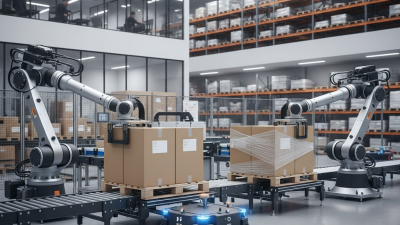
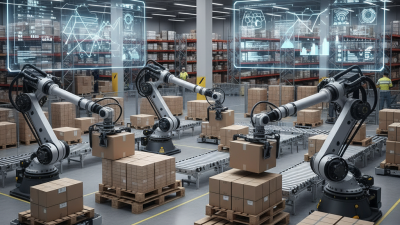
Robotic palletisers have transformed the logistics landscape in supply chains. These machines automate the process of stacking products onto pallets with precision and speed. They reduce manual labor and improve safety in warehouses. Automation is not just about efficiency; it is also about enhancing accuracy and minimizing errors during product handling.
Implementing robotic palletisers can present challenges. Companies may face integration issues with existing systems. Additionally, initial investment costs can be high. Not all organizations may readily adapt to this technology. Some may struggle with workforce transitions or require retraining of staff. Thus, understanding the specific needs of a supply chain is crucial before deploying automation.
Robotic palletisers play a crucial role in warehouse automation. They are not a one-size-fits-all solution. Evaluating the overall supply chain strategy helps identify the right fit. Organizations need to balance automation benefits against potential disruptions. Emphasizing adaptability and incremental changes can lead to smoother transitions. These considerations are vital for achieving long-term efficiency in global supply chains.
Top Robotic Palletisers for Efficient Global Supply Chains
| Palletiser Type |
Load Capacity (kg) |
Speed (cycles/hour) |
Flexibility |
Integration |
| Articulated Robotic Palletiser |
200 |
30 |
High |
Easy |
| Cartesian Robotic Palletiser |
300 |
25 |
Moderate |
Moderate |
| Delta Robotic Palletiser |
150 |
40 |
High |
Easy |
| Collaborative Palletiser |
100 |
15 |
Very High |
High |
| Robotic Stretch Wrapper |
250 |
20 |
Low |
Easy |
Key Features to Look for in Robotic Palletising Systems
Robotic palletising systems play a crucial role in modern supply chains. Their efficiency can significantly reduce operational costs and improve throughput. According to a report by the International Federation of Robotics, the market for industrial robots is projected to grow by 15% annually. This shows a clear trend toward automation in logistics.
When evaluating robotic palletisers, consider key features like flexibility and ease of integration. Systems should adapt to various product sizes and weights. A study from the Association for Advancing Automation highlights that flexible systems can boost productivity by up to 30%. However, some may struggle with complex layouts or irregularly shaped items, highlighting the need for careful decision-making in implementation.
Furthermore, safety features are essential. Opt for models equipped with advanced sensors and emergency stop functionalities. The U.S. Occupational Safety and Health Administration reports that proper safeguards reduce workplace accidents significantly. However, reliance on automation might overlook worker safety, raising concerns about potential mishaps during human-robot interaction. These factors all contribute to the overall reliability of robotic palletising systems in enhancing global supply chains.
Top Robotic Palletisers for Efficient Global Supply Chains
Top Brands and Models of Robotic Palletisers Available Today
Robotic palletisers are transforming supply chains worldwide. Their efficiency impacts speed and cost. Companies are now relying on advanced robotic solutions to streamline operations.
Many brands offer impressive models. These machines handle various products with precision. They often feature and customizable settings. However, some users report challenges in integration with existing systems. Ensuring compatibility remains an issue in many sectors.
Flexibility is another key attribute of modern robotic palletisers. They can adapt to different product sizes and weights. This adaptability enhances their usability across diverse industries. Yet, regular maintenance is essential for optimal performance. It’s a crucial aspect that shouldn't be overlooked. Investing in training for operators is equally important. Skilled professionals can unlock the full potential of these machines.
Benefits of Implementing Robotic Palletisers in Manufacturing
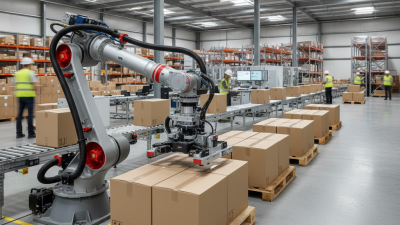
Robotic palletisers offer numerous benefits in modern manufacturing environments. They increase speed and efficiency, allowing companies to meet growing demands. These machines can handle large volumes of products with precision. The automation of palletising reduces human error, enhancing overall quality.
Maintaining a robotic system does require careful attention. Regular maintenance is crucial to avoid breakdowns. Operators must be adequately trained to handle both the technology and potential issues. Furthermore, the initial investment can be significant, prompting companies to assess their return on investment carefully.
Despite these challenges, the advantages often outweigh the drawbacks. Companies can see improved productivity in the long run. Robotic palletisers can free up human workers for more complex tasks, fostering a more innovative environment. This shift can lead to a more adaptable and resilient supply chain.
Future Trends in Robotic Palletising Technology and Supply Chains
Robotic palletising technology is evolving rapidly. According to a recent report by Market Research Future, the global robotic palletising market is expected to reach USD 6.2 billion by 2027. This growth is driven by the demand for automation in supply chains. The need for efficiency and precision in logistics is more critical than ever.
In the future, we may see advancements in artificial intelligence and machine learning integrated into robotic systems. These technologies can enhance decision-making processes for palletising tasks. However, it is essential to address the challenges that come with these innovations. Implementation costs can be high, and complexity can lead to operational hiccups.
Another focus is on collaboration between humans and robots. Studies show that nearly 58% of companies report difficulties in creating a harmonious work environment. Balancing human input with robotic efficiency will be crucial. Nevertheless, the ongoing challenge is to ensure that these technologies can adapt to varying product sizes and shapes seamlessly. The road ahead is promising, yet caution is wise.