Why Choose Robotic Palletisers for Your Business Needs?
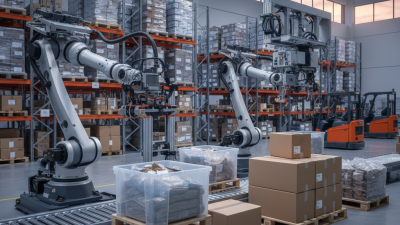
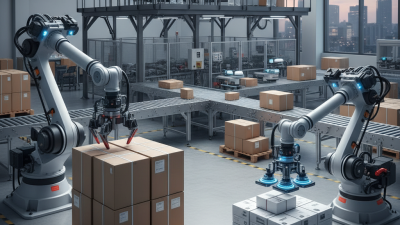
In today's fast-paced manufacturing environment, businesses face significant challenges in optimizing their operations. One innovative solution is the implementation of robotic palletisers. These advanced machines can automate the palletizing process, significantly increasing efficiency and productivity. Robotic palletisers are designed to handle various products, from boxes to bags, making them versatile tools in diverse industries.
Many businesses still hesitate to invest in robotic palletisers. Some worry about the initial costs, while others may not fully understand the long-term benefits. However, the advantages often outweigh the concerns. By reducing labor costs and minimizing errors, robotic palletisers enhance overall operational reliability. Over time, they can lead to substantial savings.
Investing in robotic palletisers can seemingly feel overwhelming. The technology is complex, and adequate training is necessary. Companies should reflect on their unique needs before making a decision. Ultimately, robotic palletisers can be a transformative asset. They hold the potential to streamline logistics and elevate production capabilities while ensuring consistency in quality and speed.
Benefits of Robotic Palletisers in Modern Manufacturing Environments
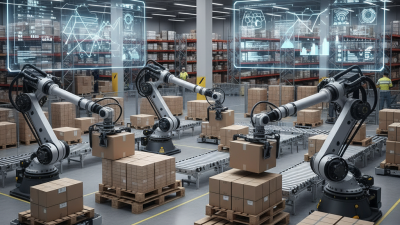
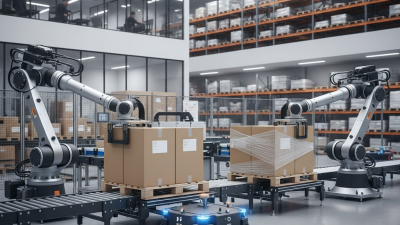
Robotic palletisers are revolutionizing modern manufacturing environments. These systems offer precision, speed, and efficiency in handling products. Unlike traditional methods, robotic palletisers reduce human error and increase consistency. They are ideal for businesses looking to enhance productivity and reduce labor costs.
One significant benefit is improved safety. With less manual handling, the risk of injury decreases. This not only protects employees but can also reduce insurance costs. These systems can work tirelessly, leading to higher output. However, operators should ensure proper training to avoid potential mishaps during initial setup and maintenance.
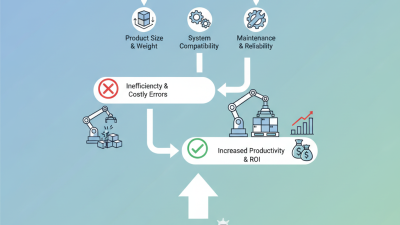
When selecting robotic palletisers, consider your specific needs. Evaluate the size and weight of your products. Understand the layout of your facility. Sometimes, a custom solution may yield better results than a one-size-fits-all approach. Collaborate with experienced integrators to navigate challenges.
Investing in robotic palletisers can lead to long-term gains. However, companies should be prepared for a learning curve. Regular assessment and adaptation will ensure that the system meets evolving business demands.
Key Statistics on Efficiency Gains from Robotic Palletising Solutions
Robotic palletising solutions are changing the face of warehousing and logistics. Recent statistics show that businesses adopting these systems see efficiency gains of up to 30%. These gains come from reduced labor costs and increased speed. Robots can work 24/7, handling heavy loads without fatigue. They streamline operations, which is crucial in today’s fast-paced market.
When considering automation, pay attention to your specific needs. Assess your product types and pallet configurations. Not all robotic solutions suit every scenario. A careful analysis helps avoid investing in systems that may require costly adjustments or integrations later.
Training and maintenance are also significant factors. Ensure your team understands how to operate the new technology effectively. Regular maintenance is key to longevity and performance. Without it, you could face downtime and costly repairs. Embrace the learning curve, and involve your staff in the transition. This collaboration can lead to valuable insights, improving the overall system.
Cost Analysis: Initial Investment vs. Long-Term Savings in Robotic Systems
Robotic palletisers offer a compelling case for businesses evaluating automation. The initial investment in automation can seem daunting. According to a recent industry report, the average cost of robotic palletising systems ranges from $50,000 to $200,000, depending on the complexity and capabilities of the system. This upfront expense often raises concerns, especially for small to mid-sized businesses.
However, long-term savings can significantly outweigh these initial costs. A study by a leading manufacturing consultancy found that companies implementing robotic systems achieved labor savings of up to 30%. This translates into a reduced need for manual labor, lowering operational costs over time. Additionally, businesses noted a decrease in palletising errors, leading to improved product integrity and fewer returns. Various reports indicate that the return on investment (ROI) for robotic systems can be realized within two to three years of implementation.
Moreover, the flexibility of robotic systems allows for quick reprogramming to accommodate different product lines. This adaptability is crucial in a fast-changing market. Companies can respond to customer needs efficiently, enhancing their competitive edge. Despite the appealing data, the transition to robotic palletisers requires careful planning and consideration of specific operational needs. The long-term benefits are evident, but the journey requires a clear strategy and willingness to embrace change.
Impact of Robotic Palletisers on Workplace Safety and Labor Efficiency
The integration of robotic palletisers is transforming workplace safety and labor efficiency. These machines handle tasks that were once manual and often dangerous. By automating palletising processes, businesses can reduce the risk of workplace injuries. Workers no longer have to lift heavy loads repeatedly, which can lead to chronic pain or accidents. Robots handle these tasks with precision and strength, creating a safer environment.
Furthermore, robotic palletisers enhance efficiency in production lines. They can operate continuously, performing at a speed and consistency that humans cannot match. This increased output helps meet rising demands without compromising quality. Interestingly, while they significantly boost efficiency, there have been unexpected challenges. Companies struggle with initial setup costs and employee resistance to change. Training staff to work alongside robots can be complex.
Despite these challenges, the long-term benefits cannot be ignored. A safer workplace reduces downtime and medical costs. Enhanced efficiency leads to higher profitability. Businesses choosing robotic palletisers must be aware of the changes required for successful implementation. Finding the right balance between human labor and automation is essential for sustainable growth.
Impact of Robotic Palletisers on Workplace Safety and Labor Efficiency
Future Trends: The Role of Automation in Supply Chain Optimization
The integration of automation in supply chain management is rapidly transforming logistics. According to a report by McKinsey, companies adopting advanced automation see productivity increases of 20-30%. Robotic palletizers are a key player in this shift. They enhance efficiency by automating repetitive tasks, allowing human workers to focus on more complex roles.
Recent studies show that businesses implementing robotic solutions report significant reductions in operational costs. The Boston Consulting Group predicts that automation could lead to savings of up to $2 trillion annually by 2025. However, there are challenges. Initial investment costs can be high, and companies must grapple with the training and transition phases. Adopting new technology requires a shift in company culture, which can be a barrier for some organizations.
The automation trend is not one-size-fits-all. Each business must assess its unique needs and resources. Some sectors may benefit more from robotic palletizers than others. For businesses considering automation, it is essential to weigh the advantages against potential drawbacks and long-term impacts. As the industry evolves, ongoing adaptation will be critical for success in a highly competitive market.