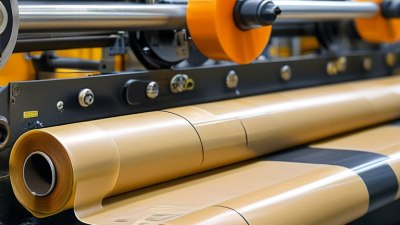
What Is a Turret Rewinder and How Does It Work?
A Turret Rewinder is more than a high-speed roll-changing machine. It is the final control point where printed films, paper, laminates, or foils become customer-ready rolls. Its performance affects roll edges, tension, waste, and production continuity.
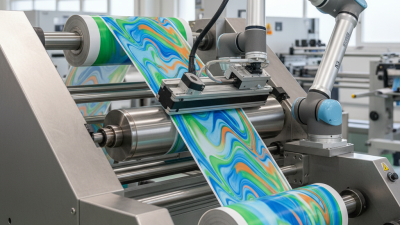
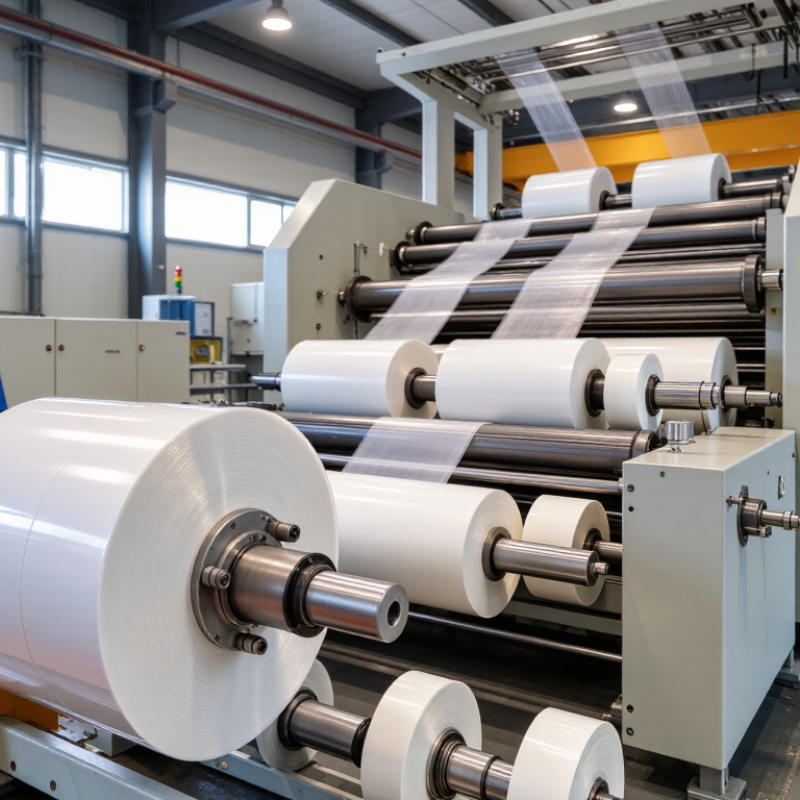
The machine works through a coordinated sequence. A parent roll enters the rewinding section, while slitting knives divide the web into narrower lanes. Several shafts or winding stations then form individual rolls. As one set reaches the required diameter, the turret rotates. New cores move into position, and the next winding cycle begins with limited interruption.
KAMPF Managing Director Jörg Steffens has described the central challenge in practical terms: “Precision and productivity must work together.” That principle explains why turret design matters. Speed alone is not enough. A small tension variation can create telescoping, wrinkles, loose edges, or uneven roll hardness.
In real factories, the process is rarely perfect. Material thickness changes. Static electricity appears. Operators still make adjustments. That is worth remembering.
This guide examines what a Turret Rewinder is, how its turret, knives, shafts, tension controls, and automatic splicing systems interact, and where common mistakes occur. It also considers material behavior, operator experience, maintenance demands, and measurable performance indicators. Understanding these details helps buyers, engineers, and production teams judge whether a machine truly fits their converting operation.
What Is a Turret Rewinder and What Does It Produce?
A turret rewinder converts a wide parent roll into smaller, finished rolls for packaging and converting applications. It can process films, paper, foil, laminates, and other flexible webs. These materials become food pouches, hygiene-product wrapping, sachets, labels, medical packaging, and industrial liners.
The machine unwinds the parent roll, controls web tension, and slits the material into selected widths. Its turret arms then move new cores into position while finished rolls are discharged. This allows continuous production with limited stopping time. According to Smithers’ flexible packaging market analysis, global demand is expected to exceed 30 million tonnes annually by 2029. That growth increases pressure for accurate winding and lower material waste.
A finished roll must have firm edges, stable layers, and consistent diameter. Poor tension can create wrinkles, telescoping, or loose cores. These defects may appear minor, yet they can disrupt high-speed filling lines. PMMI’s 2024 Packaging Machinery Shipments Report valued U.S. packaging machinery shipments at about 10.2 billion dollars in 2023. The figure reflects a wider need for dependable converting equipment, not merely faster machines.
In my experience, output quality depends on more than speed. Substrate stiffness, humidity, adhesive behavior, and operator settings all matter. Even a well-calculated setup can fail when the material changes slightly. That is the part engineers still need to question. A turret rewinder produces usable, traceable rolls, but only careful control turns raw material into reliable packaging components.
How the Turret Rewinder’s Main Components Work Together
What Is a Turret Rewinder and How Does It Work?
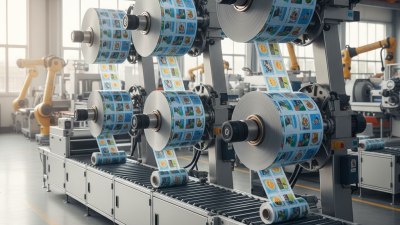
A turret rewinder converts a large parent roll into smaller, controlled rolls. Its main components must work as one system. The turret arms carry winding shafts and rotate between production positions. While one shaft winds the current roll, another shaft prepares for the next cycle. This design supports continuous production and reduces manual handling.
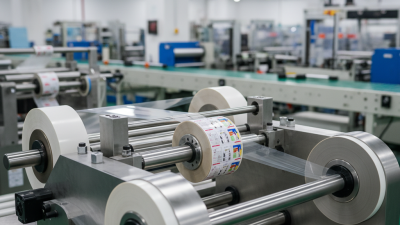
The web enters through guide rollers and tension-control devices. Sensors monitor speed, alignment, and material tension. A PLC adjusts drive motors when the film stretches or accelerates. Even small tension errors can create telescoping edges, wrinkles, or loose layers. The winding shaft holds the core, while differential elements help manage tension across varying roll widths. Slitting knives then divide the web into customer-specified widths. Clean cuts matter.
Very little is accidental.
According to Smithers’ 2024 flexible packaging market analysis, the global sector is worth more than $300 billion and is expected to grow through 2029. That growth increases pressure on rewinders to deliver consistent roll quality, not only higher speed. PMMI industry research also identifies automation, labor efficiency, and waste reduction as major packaging priorities. In practice, however, faster operation can expose weaknesses in core fit, knife condition, or sensor calibration. The turret may be advanced, but it cannot correct poor setup. Operators still need to check roll hardness, edge alignment, and splice performance at regular intervals. That human review remains easy to underestimate.
How Web Material Moves Through the Rewinding Process
A turret rewinder converts one large parent roll into smaller, controlled rolls. It handles film, paper, foil, and laminated webs. According to Grand View Research, the global flexible packaging market reached about $261 billion in 2022. Rewinding accuracy therefore affects production value, waste, and delivery consistency.
The web first leaves the unwind stand under controlled tension. Load cells and dancer rollers monitor its movement. Drive systems adjust speed as the roll diameter changes.
The material then passes through guide rollers and a spreading device. These parts help prevent wrinkles and sideways movement.
At the winding station, a rotating core captures the web. A nip roller presses the layers together and limits trapped air. Small errors multiply.
When the roll reaches its target diameter, the turret rotates. A prepared core moves into the winding position. A cutting system separates the finished roll from the incoming web. The new core then accelerates quickly, often without stopping the main line.
The handover is critical. Excess tension can stretch the web or crush the core. Low tension may create telescoping edges and loose layers.
Operators also inspect roll hardness, wrinkles, dust, and uneven edges. Smithers’ The Future of Global Flexible Packaging to 2028 forecasts the market approaching $300 billion by 2028, increasing pressure for stable roll quality.
Still, no setting works universally. Material thickness, coating behavior, humidity, and core strength can change the result. More testing is often needed.
What Factors Affect Rewinding Quality and Machine Performance
A turret rewinder converts a large parent roll into smaller rolls while maintaining controlled web movement. Its rotating turret positions empty cores, transfers the web, and cuts or seals the finished roll. Rewinding quality depends on how well the machine controls tension, alignment, pressure, and speed.
Tension is often the most important variable. Excessive tension can stretch thin film, while low tension may create wrinkles, telescoping, or loose edges. The material itself also matters. Film, paper, foil, and laminated webs respond differently to heat, friction, and pressure. Core roundness must be checked, because a damaged core can produce visible runout. Even a clean-looking roll may hide uneven density inside.
Speed affects performance in less obvious ways. Faster operation can increase vibration, air entrapment, and tension fluctuations. The contact roller, differential shafts, and cutting knives must stay accurately adjusted. Dust on sensors or worn bearings can cause small errors that become large defects after hours of production. Operators should record tension settings, roll hardness, splice quality, and waste levels for each material. This creates useful evidence instead of relying on memory. Still, records are not perfect. Ambient humidity, material storage, and operator judgment can change the result. A practical setup often needs small corrections during the run. Even experienced technicians sometimes improve a machine by slowing it down slightly.
What Is a Turret Rewinder and How Does It Work?
Representative web-tension behavior during a turret changeover
A turret rewinder continuously winds a web onto cores mounted on a rotating turret. As one roll reaches its target diameter, the turret indexes a new core into the winding position while the finished roll is cut and discharged. Stable web tension is essential for uniform roll hardness, accurate edges, low telescoping risk, and consistent finished-roll quality.
The chart shows a representative changeover profile at a nominal tension of 30 N. The short tension peak during turret indexing illustrates why speed control, dancer response, nip pressure, core alignment, acceleration, and adhesive or knife timing all affect rewinding quality and machine performance. Actual values vary with web material, width, thickness, speed, and roll diameter.